

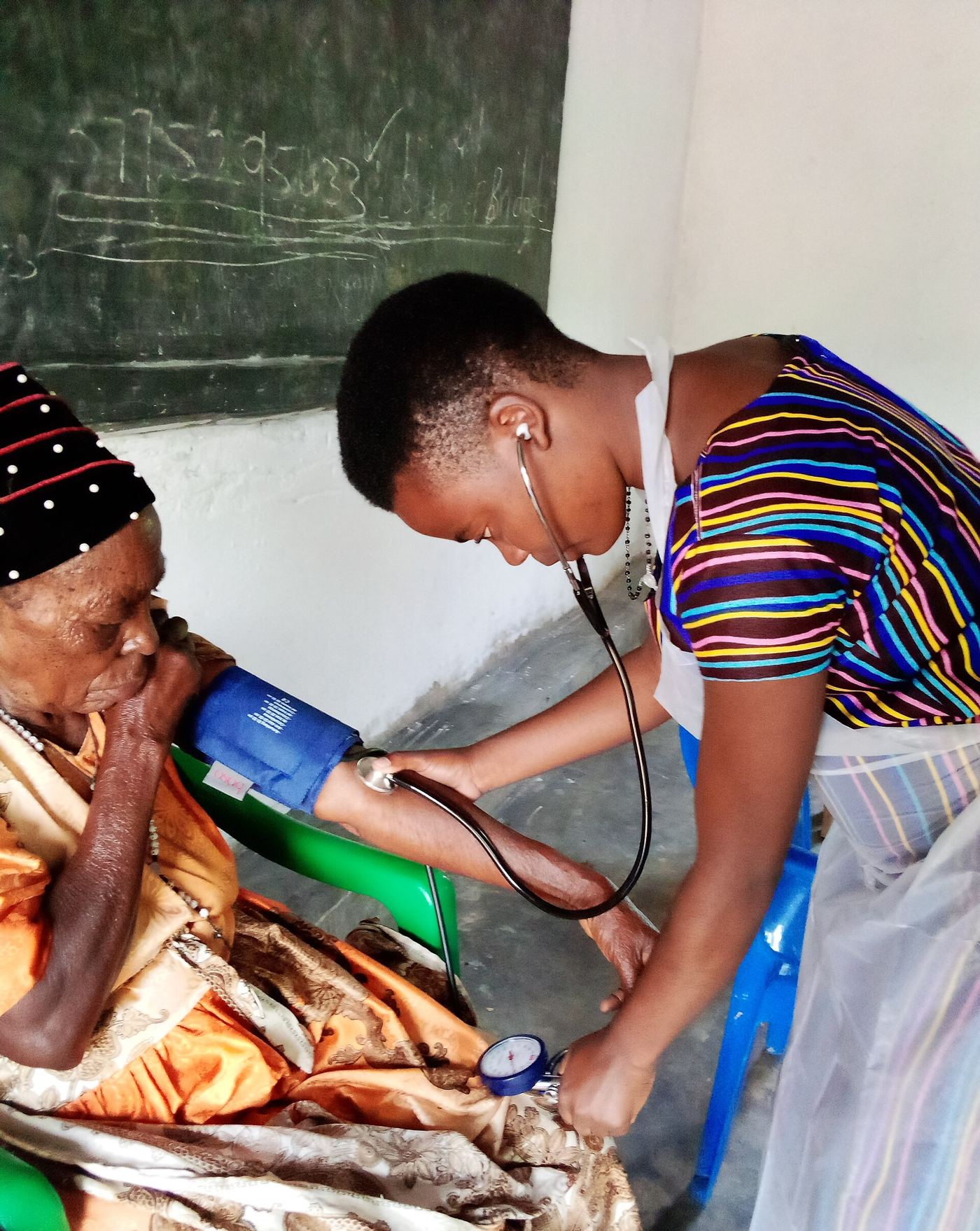
Community clinics are inviting adults for short screening appointments that check blood pressure, weight and lifestyle risks in a single visit, aiming to catch problems while they are still easy to treat. Nurses say high blood pressure in particular often produces no symptoms, so people can feel perfectly well while their risk quietly rises. The appointments take about twenty minutes and end with clear next steps rather than a leaflet and vague advice. Where results are borderline, patients are offered repeat checks instead of immediate treatment. Clinics are siting sessions in libraries and community centres as well as surgeries.
What the Evidence Shows
Health teams say the informal settings matter, because some people avoid formal medical buildings until something is wrong. Screening staff are trained to explain numbers plainly: what was measured, what range is expected and what follow-up means. Anyone found with significantly raised readings is booked promptly with a doctor, while others receive a recall date so the check becomes routine rather than one-off. Early attendance figures suggest evening and weekend sessions reach people who miss standard appointments. The programme’s value will be judged over years, in problems prevented rather than appointments completed. Reporting and analysis from sources such as The Lancet track the same developments, and specialists following community clinic screening catching risks say the direction is now consistent across independent lines of evidence.
The Wider Context
Equity runs through every discussion of community clinic screening catching risks. Interventions that require apps, fees or free weekday afternoons reliably reach the people who need them least, so the programmes earning praise are those designed around clinics, workplaces and community venues that already serve everyone. Evaluation reports now publish uptake by income and region as a matter of routine.
What Happens Next
The practical takeaway on community clinic screening catching risks is deliberately unglamorous: it works best as part of ordinary, well-delivered care rather than as a standalone fix. Health services are planning on that basis, building the referral routes and follow-up that turn a promising result into population benefit. The gains arrive slowly and then, in the statistics, unmistakably. You can follow related developments in our coverage of health.
It is also worth remembering how quickly the picture in this area has changed before. Positions that looked settled a few years ago have been revised as new data arrived, and the same humility is appropriate now. The strongest coverage of this subject, and the most useful advice, tends to come from sources that update their views openly when the facts move, rather than defending an earlier position long after it has stopped fitting the evidence available.
None of this will be settled by a single announcement, study or product launch. The pattern to watch is accumulation: independent confirmations, honest reporting of failures and steady improvement in the underlying numbers. Readers who follow those signals, rather than the loudest claim of the week, will understand this subject better than most of the commentary surrounding it suggests is possible.
