

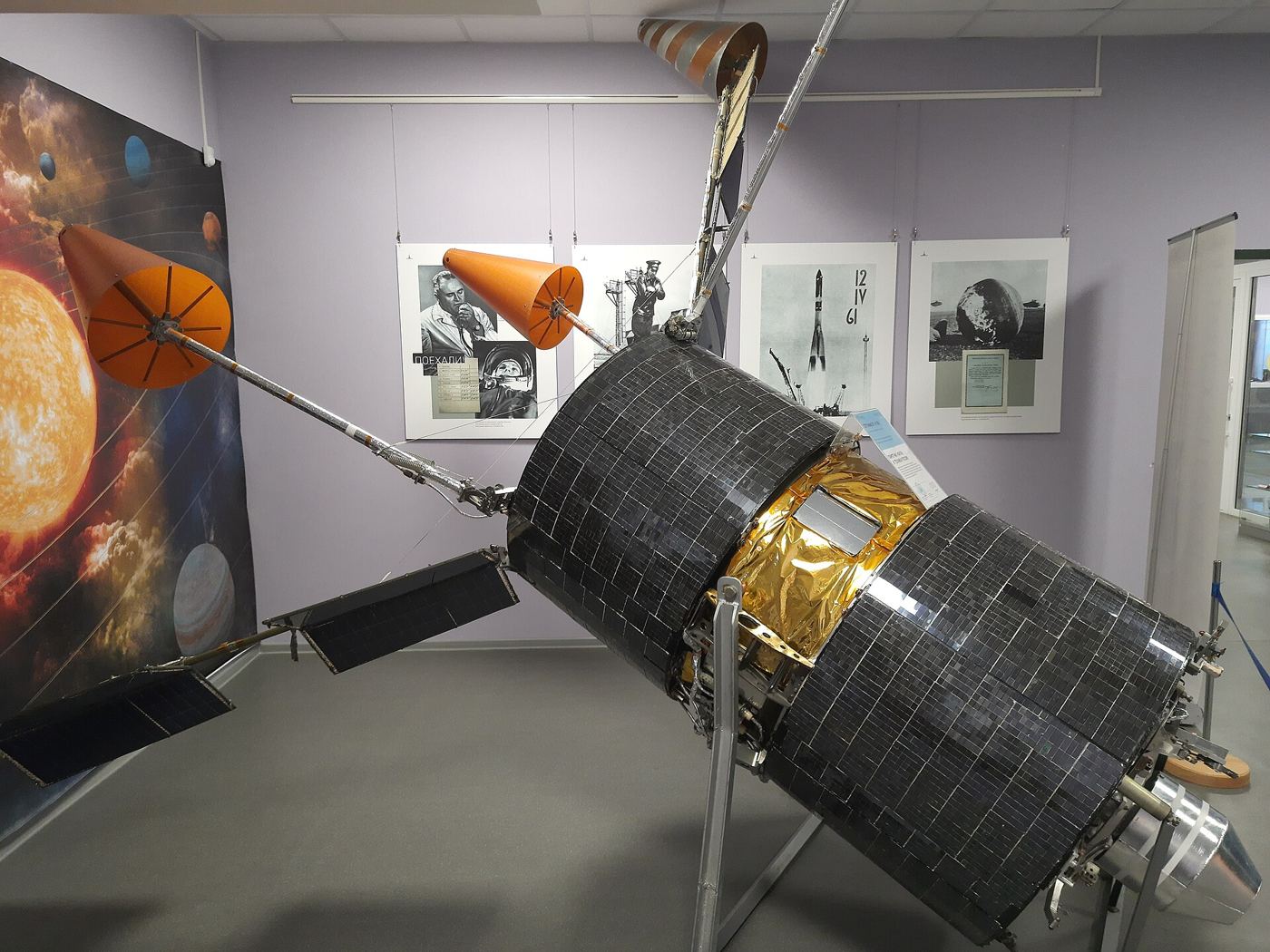
Satellite links are keeping remote weather stations reporting through the long winter, when the instruments are buried in snow, cut off by ice or left in darkness for months at a time. The stations measure temperature, wind, pressure and snowfall at mountain, desert and polar sites that researchers cannot visit regularly, and their records fill gaps in climate data from places where conditions are changing fastest. Older stations stored readings until a summer visit, meaning faults went unnoticed and whole seasons of data could be lost when batteries or sensors failed. The new satellite relays send small packets of measurements several times a day and allow engineers to spot a failing instrument within weeks rather than a year. Researchers say the steady stream also improves weather forecasts for remote communities and shipping routes, which depend on observations from exactly these isolated locations for safe planning through the hardest months of the year.
What the Evidence Shows
The relays use very little power, drawing on batteries charged during the brief bright season and sleeping between transmissions to save energy. Specialists following satellites relaying remote weather data say reliability matters more than speed, because a short daily summary is enough to confirm a station is alive and measuring well. Engineers are testing whether the same links can send simple commands, restarting a stuck sensor without an expensive expedition. Data teams publish the incoming records openly so universities and forecasters can use them quickly. More stations are scheduled for upgrades over the next two field seasons. The upgrade programme prioritises stations with the longest unbroken records, because a missing winter in a decades-long series weakens the whole dataset. Technicians fit the new relays during summer maintenance visits, testing each link before leaving the site. Climate researchers say the reassurance of knowing an instrument is still working changes how confidently they can plan each season’s analysis. Reporting and analysis from sources such as National Science Foundation track the same developments, and specialists following satellites relaying remote weather data say the direction is now consistent across independent lines of evidence.
The Wider Context
The wider context is a research landscape in which replication and open data now decide reputations. Findings connected to satellites relaying remote weather data are being checked by independent groups with shared datasets, and the teams involved publish their methods in full so rivals can test every step. That discipline is slower than a headline cycle, but it is why results in this area increasingly survive first contact with scrutiny.
What Happens Next
What happens next in the story of satellites relaying remote weather data will be decided by follow-up work already under way: larger samples, longer observation and instruments that have not yet come online. The researchers involved are unusually united on one point, that the current results justify the next investment of time and money. Readers will not have to wait long for the first tests of that claim. You can follow related developments in our coverage of science.
There is a practical lesson in all of this for readers deciding what to do today. Start with the verified facts, be wary of anyone promising certainty, and prefer reversible steps while the evidence is still developing. Circumstances differ by country, income and personal situation, so general guidance should always be weighed against your own context before you act on it in any significant or lasting way.
