

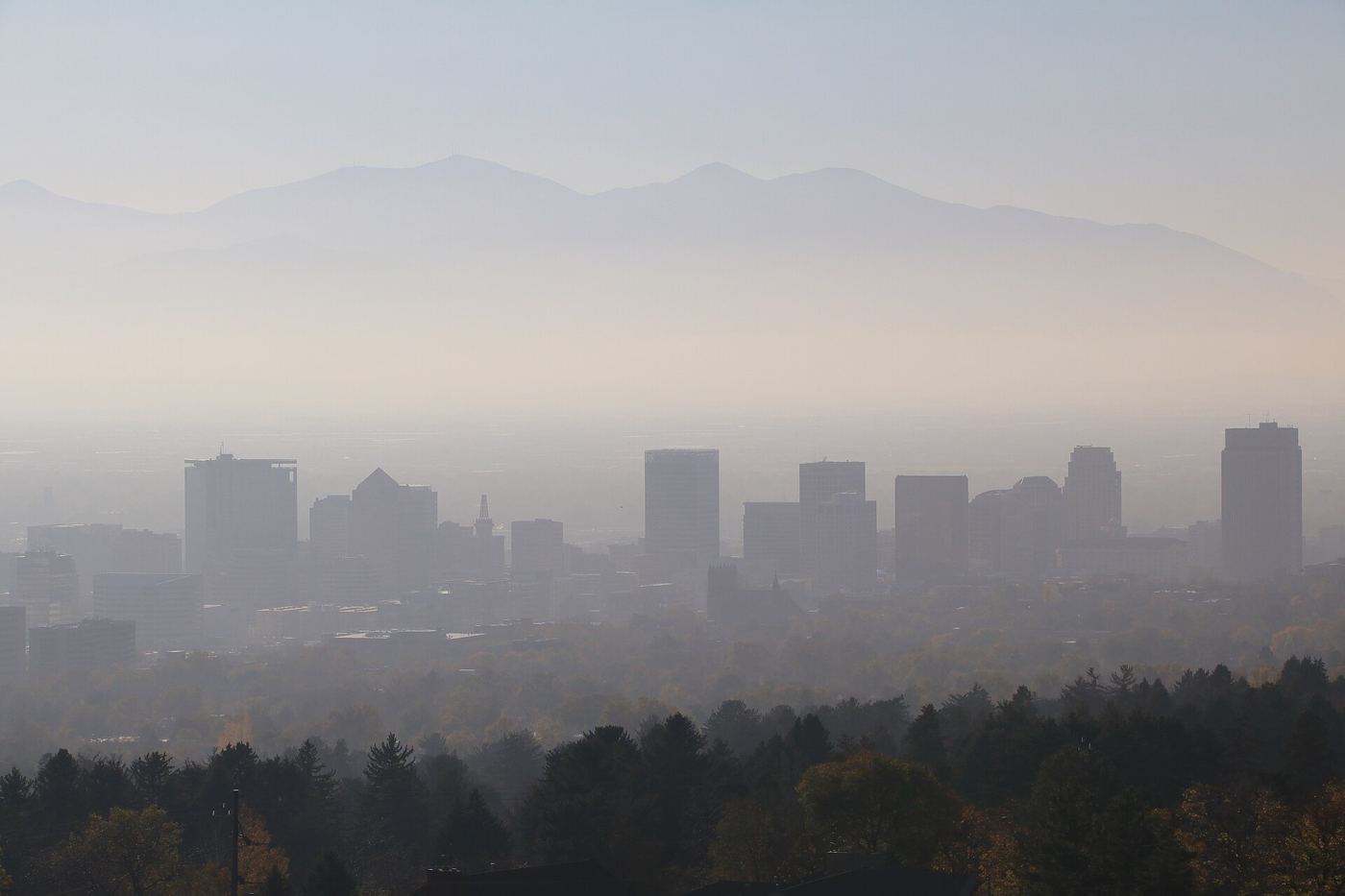
Meeting the World Health Organization’s recommended limits for fine particulate matter could prevent an estimated 9.4 million deaths in a single year, according to a study by University of Cambridge researchers published in Environment International in November 2026. Reducing nitrogen dioxide to WHO levels could prevent or postpone about 1.1 million more deaths. Across the 136 low- and middle-income countries studied, the average annual PM2.5 concentration was 30.44 micrograms per cubic metre, more than six times the WHO guideline of 5 micrograms. The WHO updated its air quality guidelines in 2021, cutting the PM2.5 limit from 10 to 5 micrograms per cubic metre. The WHO guideline for nitrogen dioxide was lowered from 40 to 10 micrograms per cubic metre in 2021.
What the Evidence Shows
The benefits would extend well beyond deaths. Meeting the PM2.5 guidelines could mean 2.8 million fewer new cases of chronic obstructive pulmonary disease, 1.1 million fewer cases of dementia, 7.3 million fewer cases of coronary heart disease and 2.3 million fewer cases of stroke each year. The researchers estimated annual societal welfare gains of Int$8.4 trillion from reduced mortality risk, plus billions in direct medical savings. A separate WHO technical brief published on 18 November put fine-particle deaths at about 111 per 100,000 people in poorer countries, against 19 per 100,000 in richer ones. The figures are modelled estimates, not counted deaths, and meeting the limits will not be straightforward. Reporting and analysis from sources such as The Lancet track the same developments, and specialists following WHO air quality lives saved say the direction is now consistent across independent lines of evidence.
The Wider Context
Equity runs through every discussion of WHO air quality lives saved. Interventions that require apps, fees or free weekday afternoons reliably reach the people who need them least, so the programmes earning praise are those designed around clinics, workplaces and community venues that already serve everyone. Evaluation reports now publish uptake by income and region as a matter of routine.
What Happens Next
The practical takeaway on WHO air quality lives saved is deliberately unglamorous: it works best as part of ordinary, well-delivered care rather than as a standalone fix. Health services are planning on that basis, building the referral routes and follow-up that turn a promising result into population benefit. The gains arrive slowly and then, in the statistics, unmistakably. You can follow related developments in our coverage of health.
It is also worth remembering how quickly the picture in this area has changed before. Positions that looked settled a few years ago have been revised as new data arrived, and the same humility is appropriate now. The strongest coverage of this subject, and the most useful advice, tends to come from sources that update their views openly when the facts move, rather than defending an earlier position long after it has stopped fitting the evidence available.
