

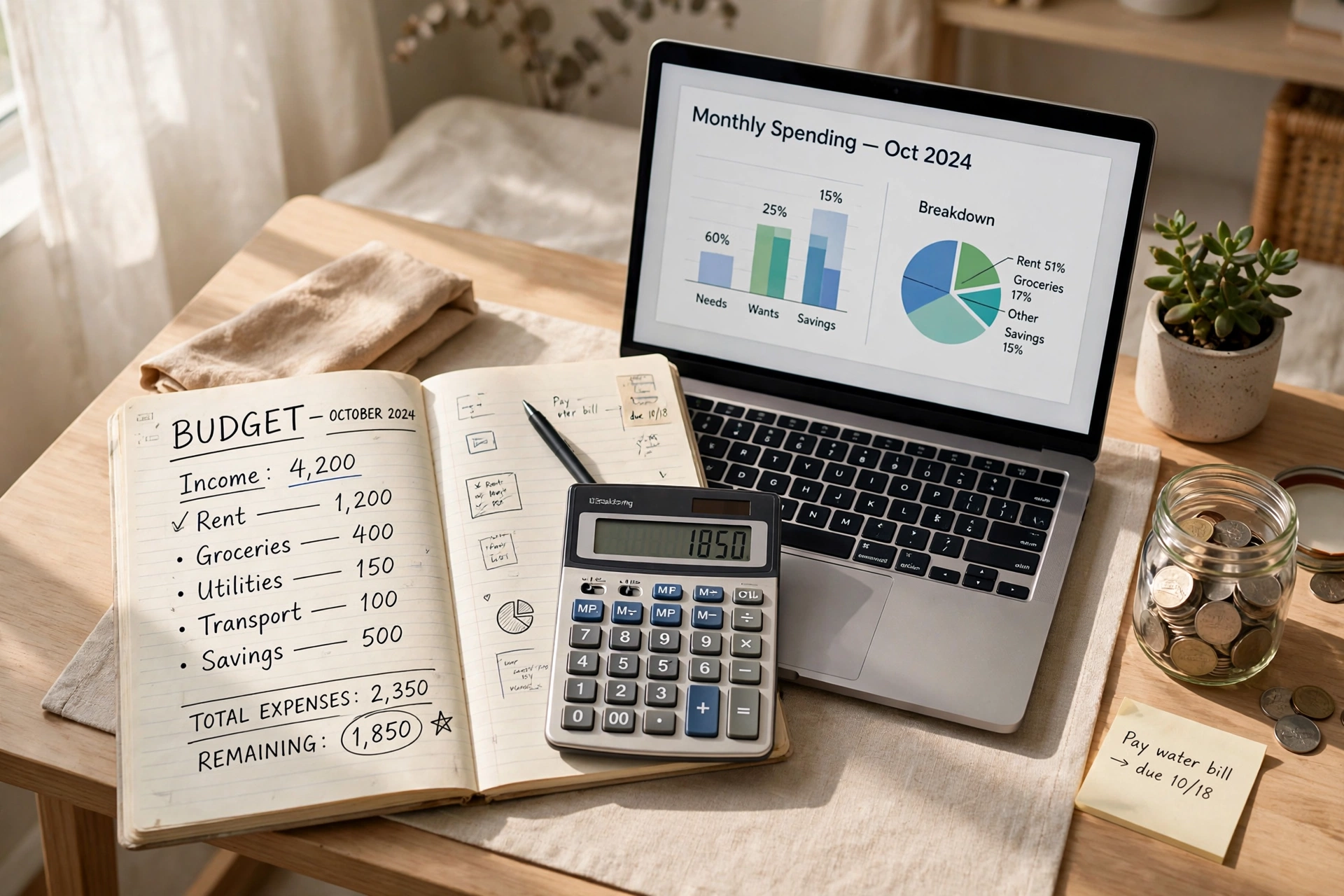
Household budgets have rarely felt tighter. Energy bills, food prices, rent and borrowing costs have all climbed faster than wages in recent years, and for many families the monthly pay packet seems to disappear within days of arriving. Yet financial advisers keep returning to the same simple framework when clients ask where to begin: the 50/30/20 budget rule. It is not new, it is not complicated, and precisely because of that simplicity, it remains one of the most practical tools an ordinary household can use to regain a sense of control.
What the 50/30/20 Rule Actually Means
The rule divides your take-home pay into three broad categories. Fifty per cent goes to needs: the essential spending you cannot avoid, such as rent or mortgage payments, utility bills, groceries, basic transport, insurance and minimum debt repayments. Thirty per cent goes to wants: the spending that makes life enjoyable but is not strictly necessary, including eating out, streaming subscriptions, holidays and new clothes beyond the basics. The final twenty per cent goes to savings and extra debt repayments, the money that builds an emergency fund, tops up a pension or clears a credit card balance ahead of schedule.
The percentages are a starting point, not a legal requirement. A family spending seventy per cent of its income on unavoidable costs in an expensive city is not failing; it is living in a different reality from a single renter in a cheaper area. The value of the rule is that it gives you a clear picture of where your money currently goes, and a gentle direction of travel for where you would like it to go instead.
Why It Works When Other Budgets Fail
Detailed line-by-line budgets often collapse within a month because they demand constant decisions. Every coffee, bus fare and birthday gift must be classified and tracked, and willpower eventually runs out. The 50/30/20 approach works at a higher level. You only need to know three totals, which most banking apps can now show automatically by category. That simplicity makes the habit stick, and in personal finance the plan you actually follow beats the perfect plan you abandon by February.
There is also a psychological benefit. Because the rule explicitly reserves money for enjoyment, it removes the guilt that sabotages so many savings attempts. A household that knows its wants are funded within the thirty per cent is far less likely to blow the whole budget in a single frustrated weekend.
Putting the Rule Into Practice
Start by working out your true monthly take-home pay, after tax and pension deductions. Then look at the last three months of bank statements and sort your spending into needs, wants and savings as honestly as you can. Most people are surprised by at least one category, and the subscriptions quietly renewing in the background are a common discovery. Free guidance from the government-backed MoneyHelper service can help you work through the figures and set up a budget planner if you want extra support.
Read also: Lucky Games 500: The Complete Guide for New Players · How to Download and Install Ind Slots App
Small adjustments usually close most of the gap. Renegotiating broadband and phone contracts, switching energy tariffs when deals appear, planning meals to cut food waste and pausing unused subscriptions can each free up modest sums that add up across a year. The Bank of England’s work on interest rates and household finances also explains why reviewing fixed deals regularly matters when the wider economy is shifting.
Building the Safety Net First
Advisers generally suggest aiming the savings slice at an emergency fund before anything else: enough to cover one month of essentials at first, then three months over time. That buffer turns a broken boiler or a lost shift from a debt emergency into an inconvenience. Once it exists, extra money can move towards clearing expensive borrowing, because interest saved on a credit card is a guaranteed return no savings account can match.
A Rule That Bends With Your Life
The 50/30/20 rule survives because it bends. Young workers might run 60/25/15 while paying down a loan; parents might accept 70/20/10 during expensive childcare years and rebalance later. What matters is reviewing the split a few times a year, nudging it in the right direction, and remembering that the goal was never perfection. It is simply a calm, repeatable way to make sure the essentials are covered, the future is funded, and life in the present still gets its fair share.
