

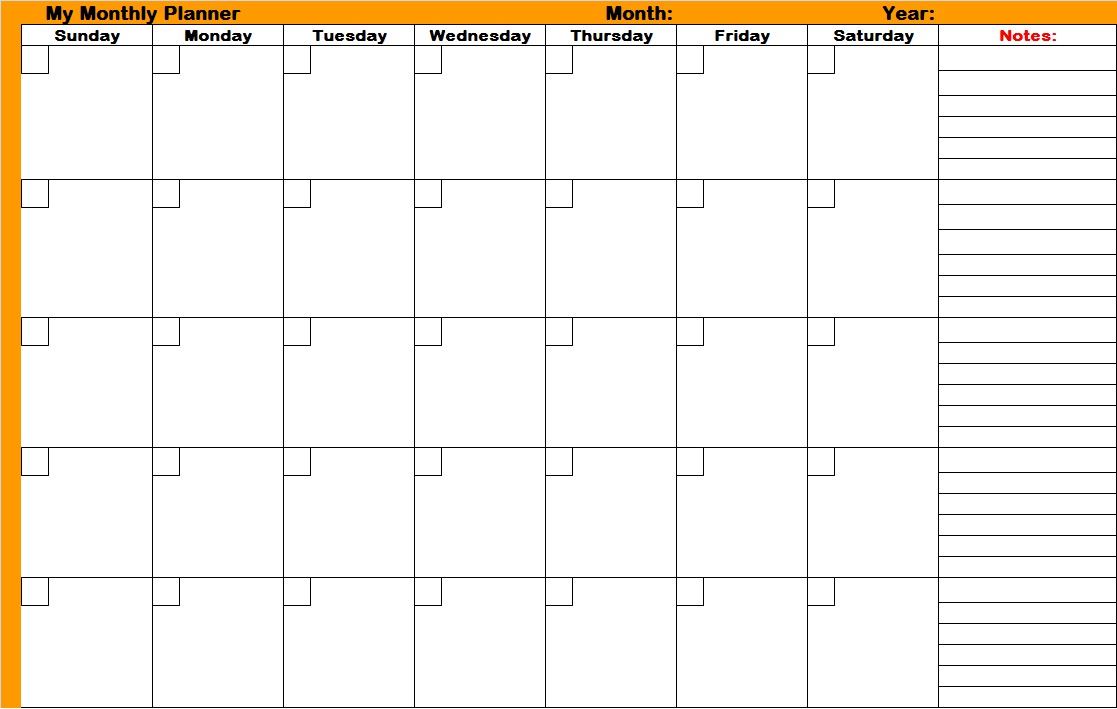
Somewhere between a full business and a garage sale sits one of the internet’s quieter income streams: digital downloads. A household budget planner, a teacher’s worksheet pack, a wedding seating chart template — files designed once, listed on a marketplace, and sold while the creator sleeps. The pitch writes itself, which is exactly why it deserves an honest account: the model is real, the work is front-loaded, and the difference between sellers who earn and sellers who upload-and-hope is mostly unglamorous.
What actually sells
Marketplace data and seller interviews point to a pattern: the best-selling downloads solve a specific, recurring problem for a specific person. ‘Printable planner’ is a wish; ‘ADHD-friendly daily planner with time-blocking’ is a product. Teachers, event planners, small business owners and parents dominate the buyer side, and seasonality rules — tax organisers in spring, classroom resources in late summer, gift trackers before the holidays. On paperearn.net our case studies of working sellers show typical stores built on dozens of listings, of which a handful of proven designs generate most revenue.
Research habits separate the tiers. Sellers who study marketplace search terms the way retailers study footfall — designing to demonstrated demand rather than to personal taste — consistently outperform more talented designers who guess. Our Business guides compare it to writing headlines: the market tells you what it wants, if you read its searches instead of your hopes.
The work nobody photographs
The romantic version ends at ‘passive income’. The real version includes customer messages at midnight about printer settings, files updated when software changes, listings re-photographed because the mockup looked dated, and the slow accretion of reviews that constitutes the store’s real asset. Designers also contend with copying — a successful template will be imitated — which is why the durable stores behave like product lines, refreshing and bundling rather than defending a single hit.
Platform guides, including seller resources from Etsy, emphasise the same fundamentals our interviewees do: search visibility, clear previews, honest descriptions and fast, kind customer service.
A realistic verdict
Digital downloads will not replace a salary for most who try — the median store earns pocket money. But as a skills-based sideline with near-zero running costs, genuine scalability and no inventory risk, it occupies a rare niche: an online business a beginner can start this weekend, test cheaply, and grow at the speed of their own learning curve. Made once and sold repeatedly is not a fantasy. It is a workload distribution — all of it at the start, and the discipline is finishing it.
The second year is the business
Sellers who persist past the discouraging first months describe a compounding they did not expect: each good listing markets the others, each review lowers the next buyer’s hesitation, each season’s data makes the next season’s designs better aimed. The store becomes an asset with a memory. Their advice to beginners is therefore mostly about surviving the desert between effort and evidence: ship more designs than feels reasonable, judge nothing before a full season has passed, and spend the quiet months building the catalogue the busy months will sell. Digital products are patient capital. The creators who win are the ones still standing, listings polished, when the compounding arrives.
