

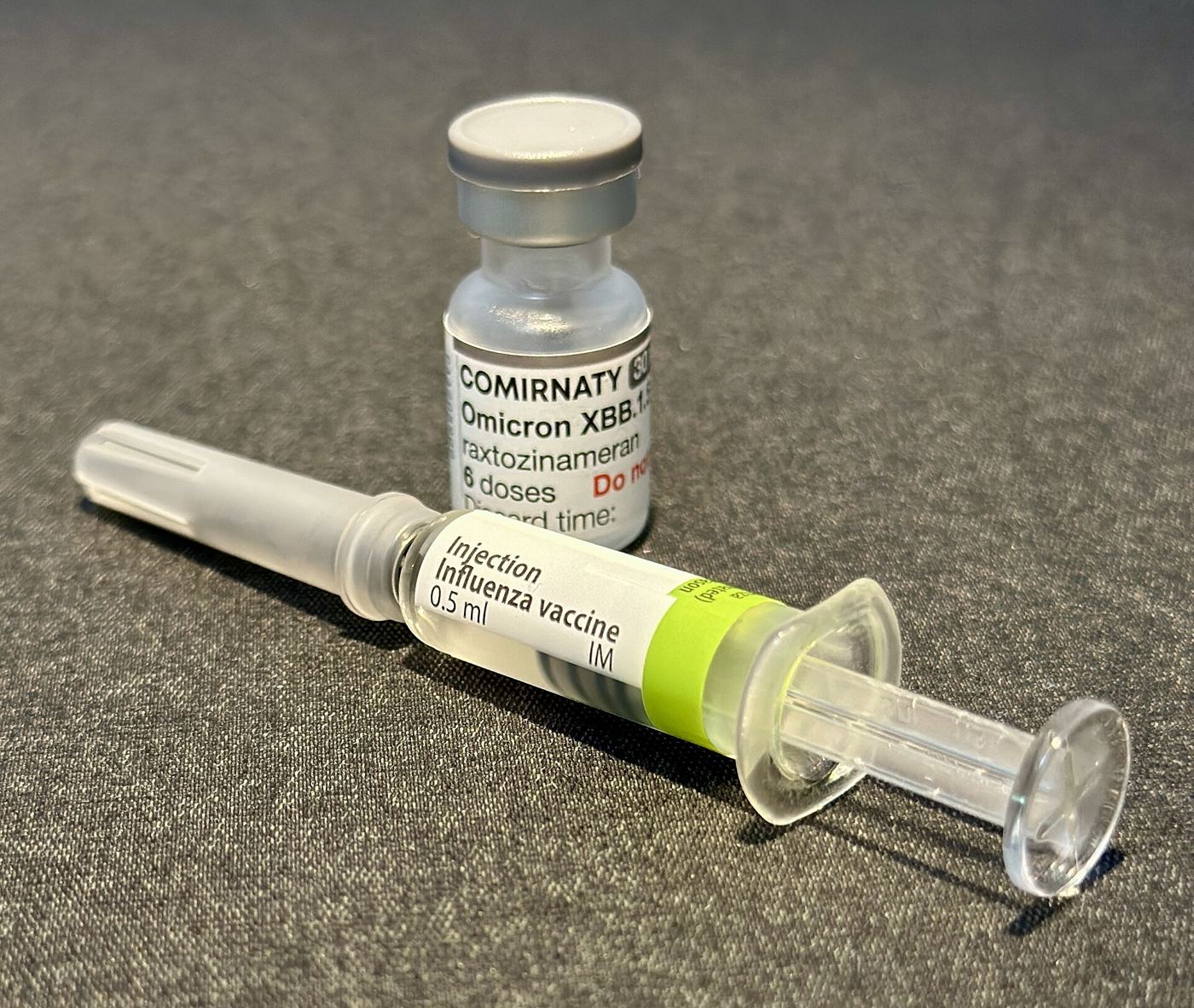
United States hospitals reported 11,734 laboratory-confirmed flu admissions in the week ending 14 November, the first week this season above 10,000, according to the Centers for Disease Control and Prevention. The CDC now estimates at least 3.7 million flu illnesses, 50,000 hospitalisations and 2,800 deaths so far this season, up sharply from 2.6 million, 36,000 and 2,100 a week earlier. Outpatient visits for flu-like illness reached 3.8 percent, above the national baseline of 2.9 percent for a second straight week, and flu accounted for 2.4 percent of emergency department visits. Adults aged 65 and older had the highest admission rate, at 10.6 per 100,000 people.
What the Evidence Shows
The cumulative hospitalisation rate in the CDC’s FluSurv-NET network reached 12.0 per 100,000 people, the highest for this point in a season since 2010-11. Nearly all of this season’s flu is influenza A, mostly the H1N1 subtype that emerged in 2009, and laboratory testing points to a good vaccine match, with 93 percent of H1N1 viruses well recognised by vaccine antibodies. The CDC forecasts a likely further rise in admissions through Thanksgiving week, when 81.5 million Americans are expected to travel. The agency still rates the season’s severity as low for all age groups and recommends a yearly flu vaccine for everyone aged six months and older. Reporting and analysis from sources such as The Lancet track the same developments, and specialists following the rising 2026 flu season say the direction is now consistent across independent lines of evidence.
The Wider Context
Equity runs through every discussion of the rising 2026 flu season. Interventions that require apps, fees or free weekday afternoons reliably reach the people who need them least, so the programmes earning praise are those designed around clinics, workplaces and community venues that already serve everyone. Evaluation reports now publish uptake by income and region as a matter of routine.
What Happens Next
The practical takeaway on the rising 2026 flu season is deliberately unglamorous: it works best as part of ordinary, well-delivered care rather than as a standalone fix. Health services are planning on that basis, building the referral routes and follow-up that turn a promising result into population benefit. The gains arrive slowly and then, in the statistics, unmistakably. You can follow related developments in our coverage of health.
It is also worth remembering how quickly the picture in this area has changed before. Positions that looked settled a few years ago have been revised as new data arrived, and the same humility is appropriate now. The strongest coverage of this subject, and the most useful advice, tends to come from sources that update their views openly when the facts move, rather than defending an earlier position long after it has stopped fitting the evidence available.
