

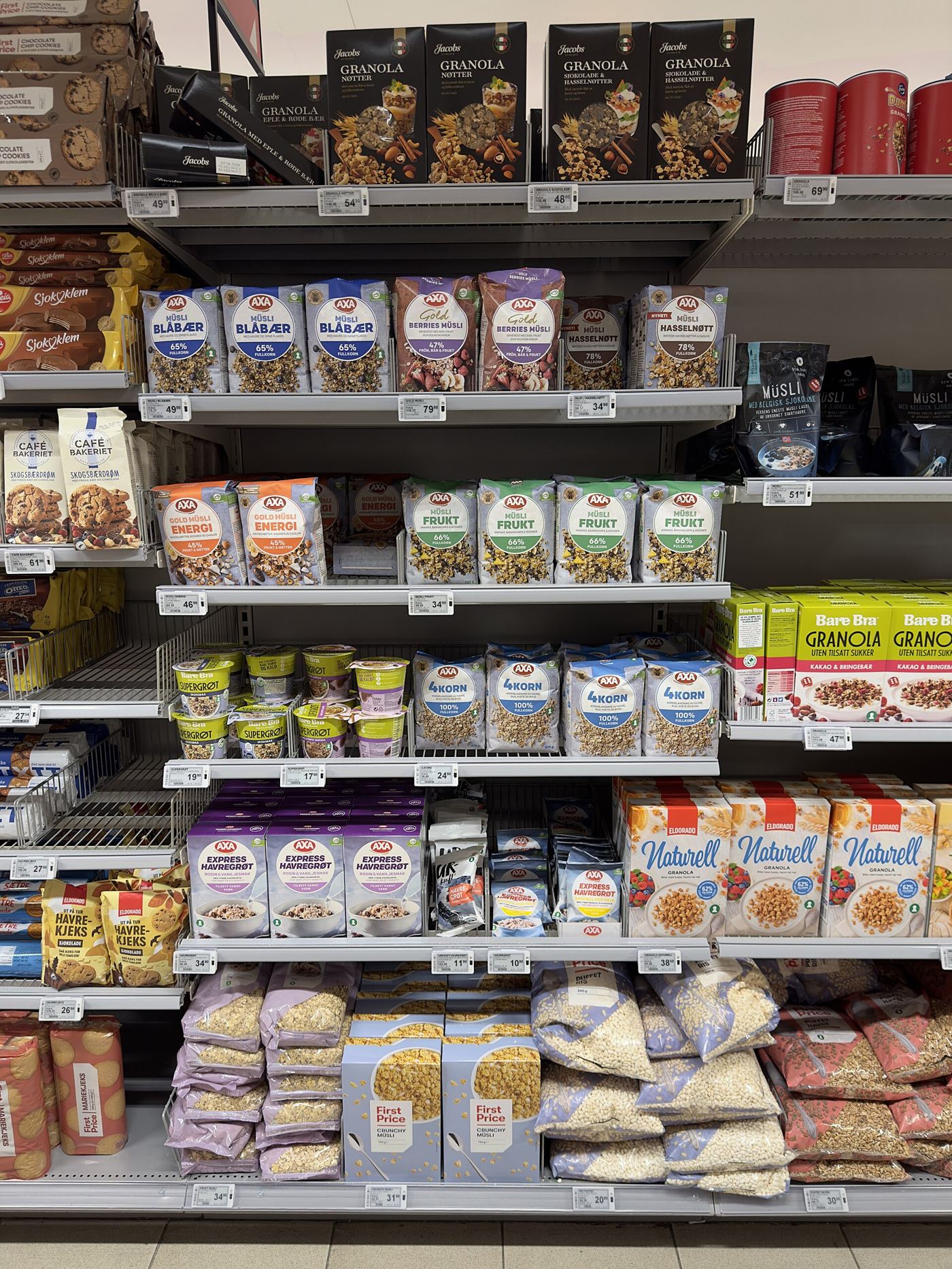
Ultra-processed foods, the packaged snacks, fizzy drinks, instant noodles and ready meals that fill supermarket shelves, are linked to a higher risk of 32 different health problems, according to a major review published in the BMJ in 2024. The researchers pooled 45 meta-analyses covering nearly 10 million people, and found the strongest evidence for links with heart disease, type 2 diabetes, obesity, anxiety and depression, as well as a higher risk of early death. Ultra-processed foods are defined by the NOVA system as products made mostly from industrial ingredients, such as flavourings, emulsifiers and sweeteners, rather than whole foods. In Britain and the United States they now supply more than half of the average person’s calories. The review cannot prove that the foods themselves cause the harm, because people who eat a lot of them also tend to smoke more, exercise less and earn less, and researchers adjusted for those factors as far as they could. But the pattern was consistent across many countries and many different studies, and the links were strongest for the outcomes with the most data, which is why health organisations are taking the findings seriously.
What the Evidence Shows
Cutting back does not mean giving up every convenience food, and dietitians warn against guilt and extreme rules. The strongest advice is for children: diets high in ultra-processed foods in childhood are linked to faster weight gain, and habits formed early tend to last into adult life. The practical approach is to shift the balance: cook more meals from basic ingredients, choose oats or eggs over sugary cereal, keep fruit and nuts handy for snacks, and treat soft drinks and packaged snacks as occasional rather than daily. Labels help, but the simplest test is the ingredient list: if it reads like a chemistry set, the food is probably ultra-processed. Governments are also under pressure to act, with proposals ranging from clearer front-of-pack labels to taxes on the worst products and limits on advertising to children. The evidence is now strong enough that doing nothing looks harder to defend than doing something. Reporting and analysis from sources such as The Lancet track the same developments, and specialists following ultra-processed foods risk say the direction is now consistent across independent lines of evidence.
The Wider Context
Equity runs through every discussion of ultra-processed foods risk. Interventions that require apps, fees or free weekday afternoons reliably reach the people who need them least, so the programmes earning praise are those designed around clinics, workplaces and community venues that already serve everyone. Evaluation reports now publish uptake by income and region as a matter of routine.
What Happens Next
The practical takeaway on ultra-processed foods risk is deliberately unglamorous: it works best as part of ordinary, well-delivered care rather than as a standalone fix. Health services are planning on that basis, building the referral routes and follow-up that turn a promising result into population benefit. The gains arrive slowly and then, in the statistics, unmistakably. You can follow related developments in our coverage of health.
It is also worth remembering how quickly the picture in this area has changed before. Positions that looked settled a few years ago have been revised as new data arrived, and the same humility is appropriate now. The strongest coverage of this subject, and the most useful advice, tends to come from sources that update their views openly when the facts move, rather than defending an earlier position long after it has stopped fitting the evidence available.
