

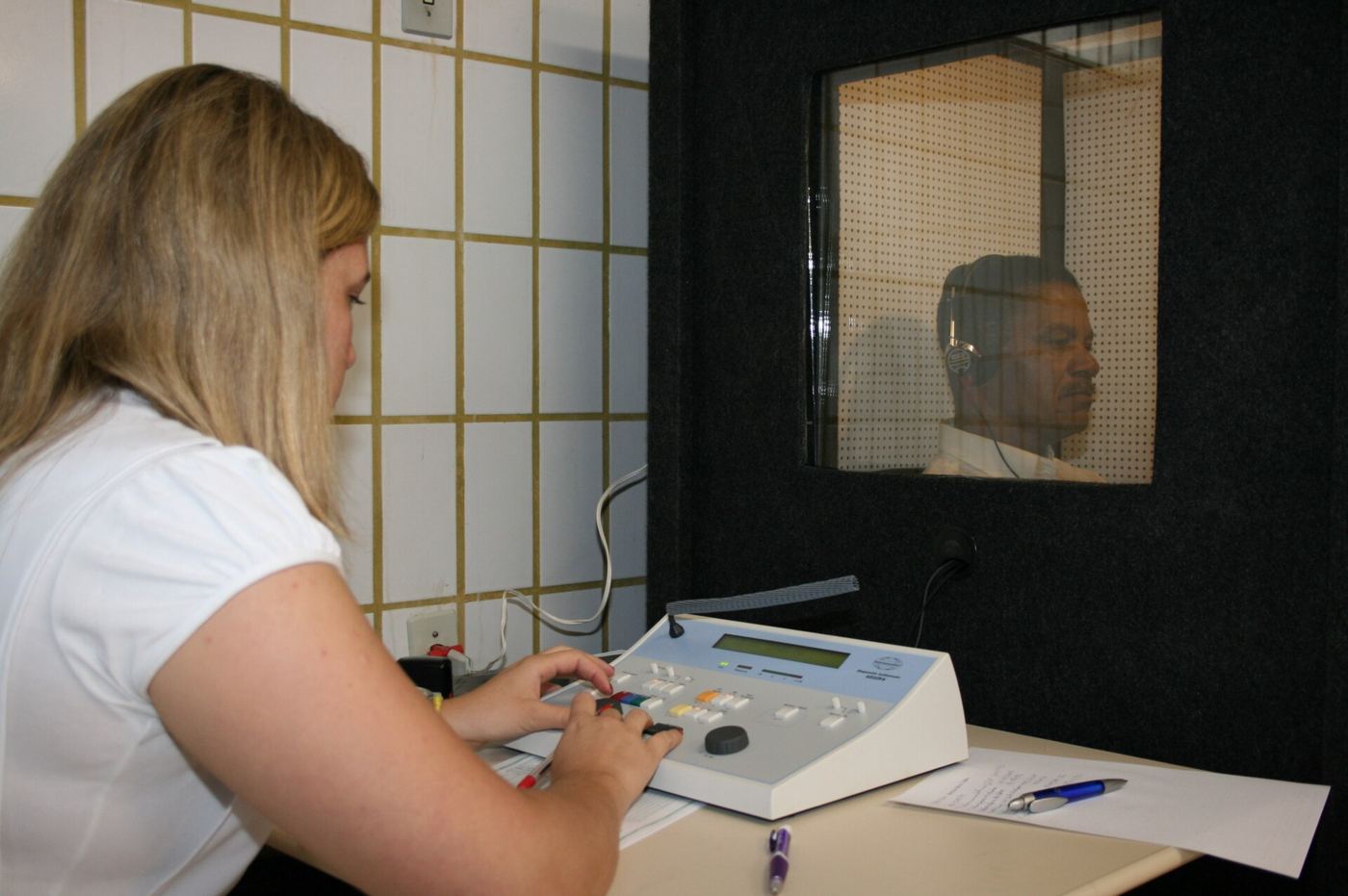
More than 1.5 billion people worldwide live with some degree of hearing loss, and the World Health Organization expects the number to reach nearly 2.5 billion by 2050 as populations age. About 430 million people already have disabling hearing loss, a figure projected to rise to more than 700 million by 2050, and nearly 80 percent of those affected live in low- and middle-income countries. The WHO estimates that about half of all hearing loss can be prevented through public health measures, yet it remains one of the most overlooked health problems in the world. More than a billion young people are at risk from unsafe listening, with over half of those aged 12 to 35 using personal audio devices at risky volumes. Unaddressed hearing loss costs the global economy nearly a trillion dollars a year in health costs, lost productivity and educational support.
What the Evidence Shows
The consequences go far beyond struggling to follow a conversation. Untreated hearing loss is linked to social isolation, depression and falls, and the 2024 Lancet Commission on dementia named it as one of the largest single modifiable risk factors for dementia, accounting for an estimated 7 percent of cases. Yet many people wait years before seeking help, often because of stigma, cost or the belief that nothing can be done. In fact, hearing aids and other devices help most people, and early fitting gives the brain time to adjust. Simple habits protect hearing too: keeping headphone volume below 60 percent, taking listening breaks, wearing ear protection in loud workplaces and at concerts, and having hearing checked regularly after 50. Hearing is easy to take for granted until it starts to fade, and by then the damage is often permanent. Reporting and analysis from sources such as The Lancet track the same developments, and specialists following hearing loss prevention say the direction is now consistent across independent lines of evidence.
The Wider Context
Equity runs through every discussion of hearing loss prevention. Interventions that require apps, fees or free weekday afternoons reliably reach the people who need them least, so the programmes earning praise are those designed around clinics, workplaces and community venues that already serve everyone. Evaluation reports now publish uptake by income and region as a matter of routine.
What Happens Next
The practical takeaway on hearing loss prevention is deliberately unglamorous: it works best as part of ordinary, well-delivered care rather than as a standalone fix. Health services are planning on that basis, building the referral routes and follow-up that turn a promising result into population benefit. The gains arrive slowly and then, in the statistics, unmistakably. You can follow related developments in our coverage of health.
It is also worth remembering how quickly the picture in this area has changed before. Positions that looked settled a few years ago have been revised as new data arrived, and the same humility is appropriate now. The strongest coverage of this subject, and the most useful advice, tends to come from sources that update their views openly when the facts move, rather than defending an earlier position long after it has stopped fitting the evidence available.
