

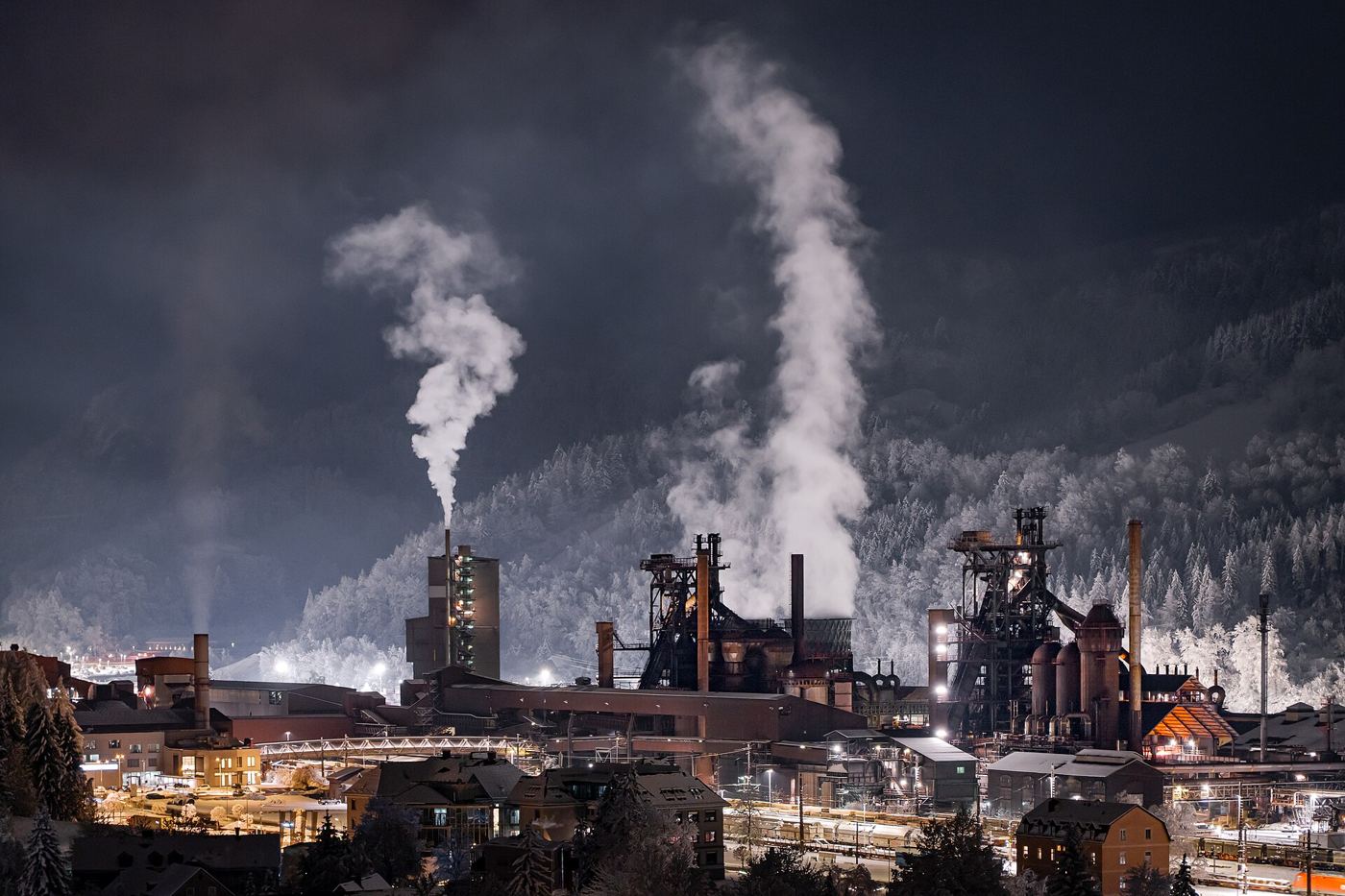
Europe’s carbon border tax has moved from paperwork to payment. The Carbon Border Adjustment Mechanism entered its definitive regime on January 1, 2026, after a transitional period of quarterly emissions reporting that ran from October 2023 to December 2025. It covers iron and steel, aluminium, cement, fertilisers, electricity and hydrogen imported into the European Union. Importers must now hold authorised declarant status, report the emissions embedded in what they bring in, and buy and surrender certificates priced off European carbon allowances. The certificate price was 75.36 euros per tonne of carbon dioxide in the first quarter of 2026 and 82.32 euros in the third quarter. The first annual declaration and certificate surrender, covering 2026 imports, is due by September 30, 2027. Imports below 50 tonnes a year are exempt. Britain is following with its own carbon border tax, scheduled to start on January 1, 2027.
What the Evidence Shows
The purpose is to stop carbon leakage, the process by which European firms move production abroad to escape the cost of emitting, taking jobs with them while global emissions stay the same. As the European Union phases out the free carbon allowances its industries once received, the border charge levels the playing field between European producers who pay for emissions and foreign rivals who do not. Exporters in developing countries argue the system is unfair and complex, because measuring the emissions of every shipment demands data many small firms do not have. Indian steel exporters, for example, have struggled to supply installation-level figures to their European customers. The European Commission proposed in December 2025 to extend the mechanism to about 180 downstream steel and aluminium products from 2028. Trade partners are watching closely, because a carbon price at the border is becoming a standard tool of climate policy, not a European experiment. Reporting and analysis from sources such as Reuters track the same developments, and specialists following EU carbon border tax say the direction is now consistent across independent lines of evidence.
The Wider Context
The wider context is a public conversation conducted at a speed institutions were not built for. Developments around EU carbon border tax are announced, contested and revised within a single news cycle, and the officials involved have learned to publish evidence alongside claims so that scrutiny can actually occur. Trust, the polling suggests, follows that transparency more than it follows confidence.
What Happens Next
What happens next in the story of EU carbon border tax will be decided in the places where it is being implemented, measured and argued about in public. The officials and organisations involved have committed to publishing progress data, and that commitment gives residents, businesses and journalists something firmer than promises to judge. The next milestones are dated, which means they can be checked. You can follow related developments in our coverage of news.
There is a practical lesson in all of this for readers deciding what to do today. Start with the verified facts, be wary of anyone promising certainty, and prefer reversible steps while the evidence is still developing. Circumstances differ by country, income and personal situation, so general guidance should always be weighed against your own context before you act on it in any significant or lasting way.
