

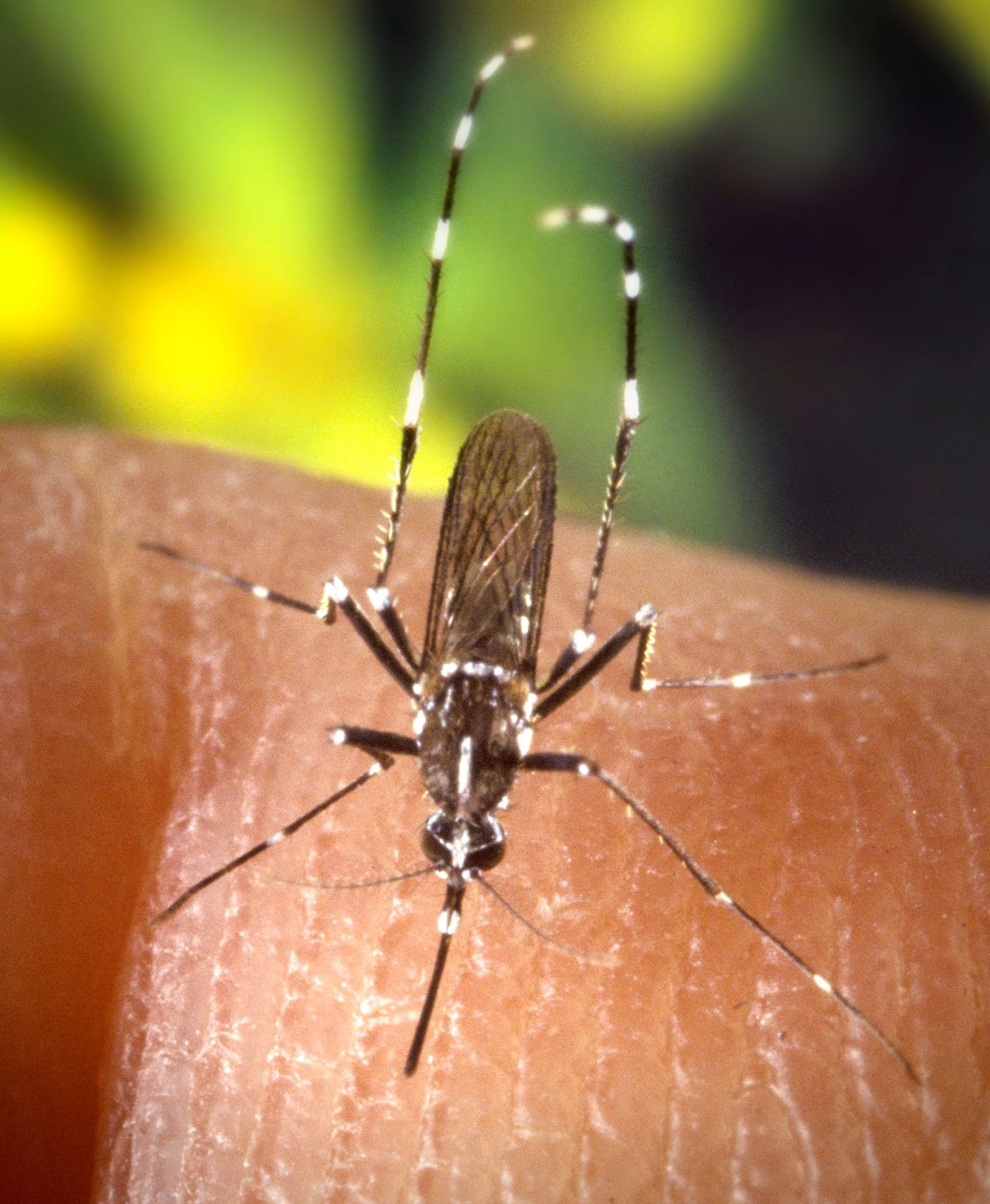
Florida’s dengue outbreak reached 651 locally acquired cases in 2026, according to the state health department’s weekly arbovirus report for 8 to 14 November. Hillsborough County accounts for 487 of the cases, with Pinellas County next at 116, and 12 counties have reported cases in total. The first locally acquired case appeared in the week of 19 to 25 July, and almost all of the infections involve dengue virus serotype 2. The outbreak is more than three times Florida’s highest annual total between 2014 and 2024, and the largest in the United States in decades. The latest weekly report added 27 cases in the week of 8 to 14 November alone, after 100 new cases the week before.
What the Evidence Shows
One death has been confirmed, an 80-year-old Tampa woman who died in September of dengue infection with septic shock and multi-organ failure. Hillsborough County extended its local state of emergency through 26 November on 19 November, stepping up aerial and ground mosquito treatments after surveillance found dengue virus in mosquitoes in many neighbourhoods. Health officials blame a hot summer and heavier than usual afternoon rains that left standing water, along with travellers returning with the infection. The previous largest American outbreak was 264 cases in Hawaii between 2015 and 2016. The state has also recorded 451 travel-associated cases this year, and health officials say travellers returning with the infection helped seed the local outbreak, which began with a single Hillsborough case in July. Reporting and analysis from sources such as The Lancet track the same developments, and specialists following the Florida dengue outbreak say the direction is now consistent across independent lines of evidence.
The Wider Context
Equity runs through every discussion of the Florida dengue outbreak. Interventions that require apps, fees or free weekday afternoons reliably reach the people who need them least, so the programmes earning praise are those designed around clinics, workplaces and community venues that already serve everyone. Evaluation reports now publish uptake by income and region as a matter of routine.
What Happens Next
The practical takeaway on the Florida dengue outbreak is deliberately unglamorous: it works best as part of ordinary, well-delivered care rather than as a standalone fix. Health services are planning on that basis, building the referral routes and follow-up that turn a promising result into population benefit. The gains arrive slowly and then, in the statistics, unmistakably. You can follow related developments in our coverage of health.
It is also worth remembering how quickly the picture in this area has changed before. Positions that looked settled a few years ago have been revised as new data arrived, and the same humility is appropriate now. The strongest coverage of this subject, and the most useful advice, tends to come from sources that update their views openly when the facts move, rather than defending an earlier position long after it has stopped fitting the evidence available.
