

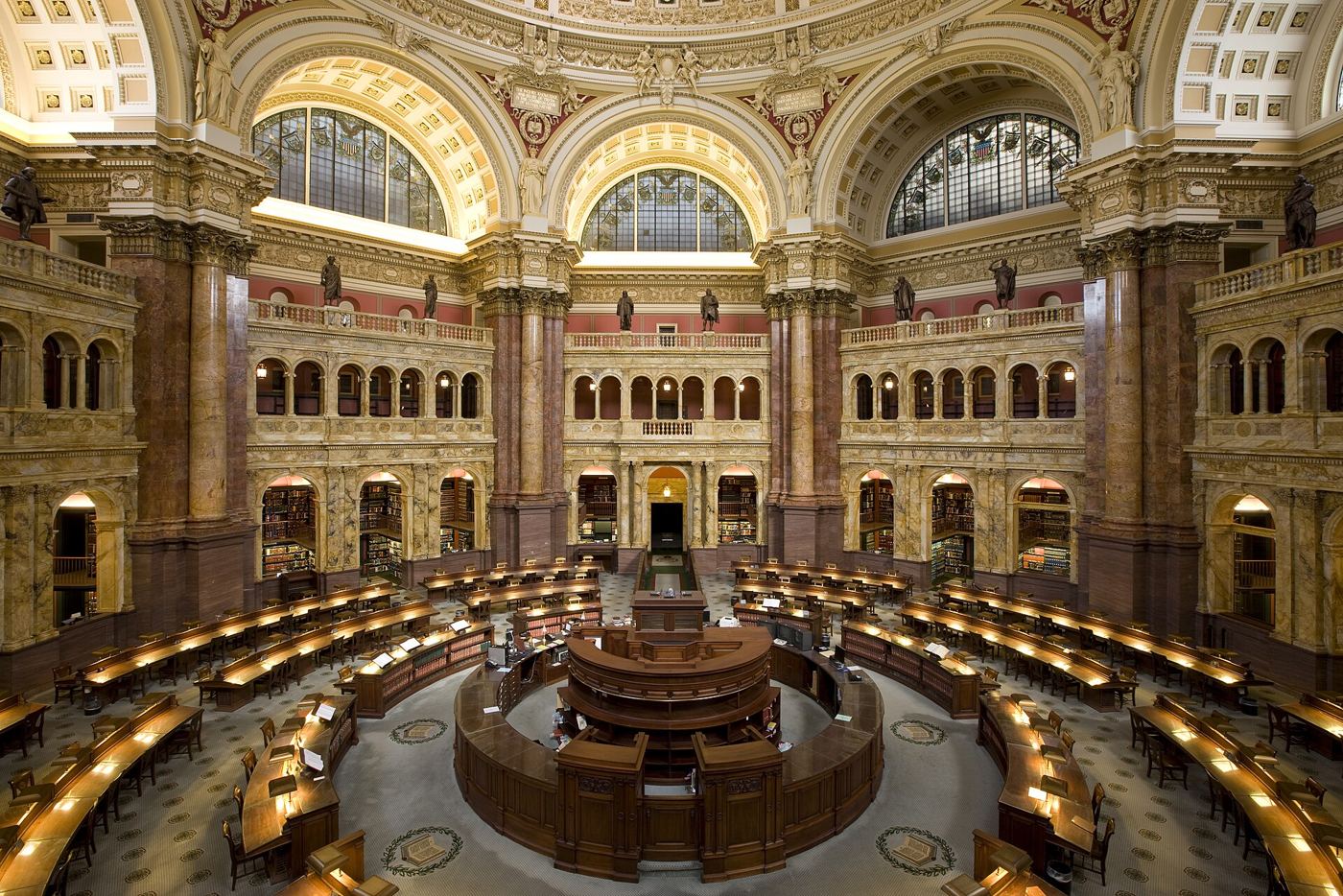
Public libraries are launching evening study spaces for the exam season, extending opening hours and reserving quiet areas for students who need a calm place to revise. Library services say demand rises sharply in the weeks before major examinations, particularly from students whose homes are crowded, noisy or lack a reliable internet connection. The extended hours will keep reading rooms open later on weekday evenings, with additional staff, free Wi-Fi and access to printing and reference materials. Some branches are organising desks into silent zones and group study areas, so that students working together do not disturb those revising alone. Schools and colleges have welcomed the move and are sharing timetables of the sessions with pupils and parents. Librarians emphasise that the spaces are open to adult learners as well, including people studying for professional qualifications or language courses after work. The initiative is funded through existing community budgets in many areas, with managers arguing that libraries are among the few public indoor spaces that are free, warm and open to everyone without any expectation of spending money.
What the Evidence Shows
Students using pilot evening sessions in previous years reported that a consistent routine helped their revision as much as the resources themselves. Travelling to the library at a set time created a boundary between study and rest that can be difficult to maintain at home, where phones and family life compete for attention. Librarians are building on that experience with revision guides, past paper collections and short sessions on planning study time and managing exam stress, delivered with local teachers and youth workers. Branches are also keeping basic refreshments available and ensuring that students travelling home after dark have clear information about buses and safe routes. Library managers collect attendance figures and feedback to make the case for funding in future years, since evening opening involves real staffing and energy costs. Early indications from bookings suggest strong take-up, especially at branches near large secondary schools. For many families, the service quietly fills a gap: not every home has a spare room, a desk and silence, but every student preparing for important exams needs all three. Reporting and analysis from sources such as Reuters track the same developments, and specialists following evening library study spaces say the direction is now consistent across independent lines of evidence.
The Wider Context
The wider context is a public conversation conducted at a speed institutions were not built for. Developments around evening library study spaces are announced, contested and revised within a single news cycle, and the officials involved have learned to publish evidence alongside claims so that scrutiny can actually occur. Trust, the polling suggests, follows that transparency more than it follows confidence.
What Happens Next
What happens next in the story of evening library study spaces will be decided in the places where it is being implemented, measured and argued about in public. The officials and organisations involved have committed to publishing progress data, and that commitment gives residents, businesses and journalists something firmer than promises to judge. The next milestones are dated, which means they can be checked. You can follow related developments in our coverage of news.
There is a practical lesson in all of this for readers deciding what to do today. Start with the verified facts, be wary of anyone promising certainty, and prefer reversible steps while the evidence is still developing. Circumstances differ by country, income and personal situation, so general guidance should always be weighed against your own context before you act on it in any significant or lasting way.
