

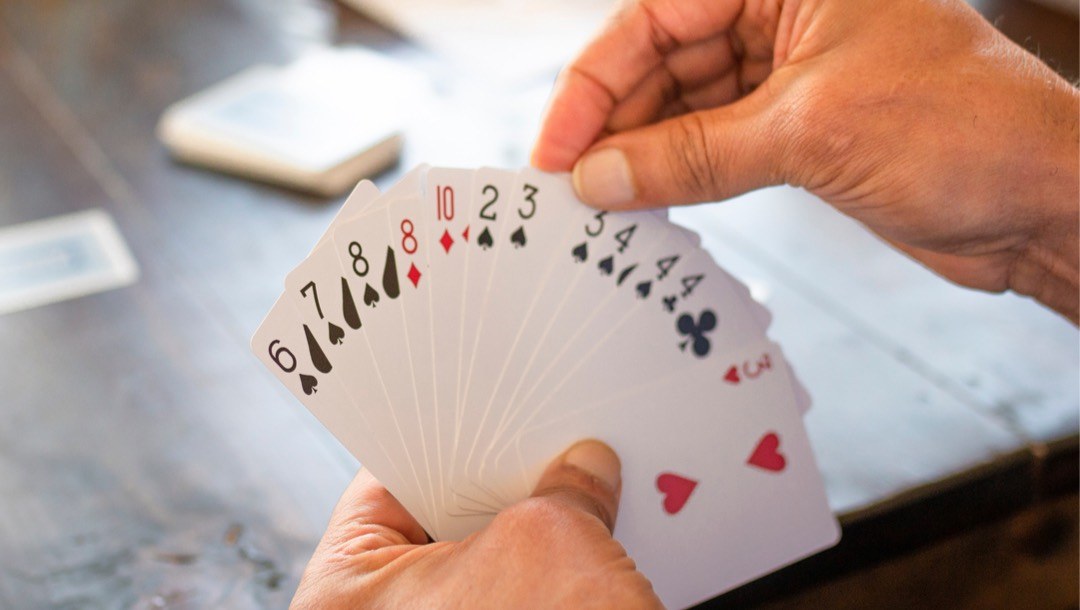
Rummy rewards players who think a move ahead, not just those who draw lucky cards. Every hand is a small puzzle: thirteen cards, a handful of possible combinations, and opponents who are quietly building their own hands at the same time. The difference between a casual player and a confident one is rarely luck. It is habit. Good players sort quickly, protect their pure sequence, discard with intent, and know exactly when to hold on and when to let go. If you play Love Rummy regularly, these strategies will help you make sharper decisions, cut down on costly mistakes, and turn more of your hands into wins.
Start Strong: Sort and Read Your Hand
The first few seconds of a hand set the tone for everything that follows. As soon as your cards arrive, sort them by suit and then by rank, grouping together cards that already form sequences or sets. This simple habit makes the shape of your hand visible at a glance: you can see which combinations are one card away, which cards are stranded, and where your gaps are. Before you draw or discard anything, ask yourself what your closest meld is, which cards you need most, and which cards are least useful to you. A player who answers those questions early plays with a plan, while a player who never sorts is really just reacting.
Make the Pure Sequence Your First Priority
In rummy, a pure sequence is a run of three or more consecutive cards of the same suit made without a joker, and it is the foundation of a valid declaration. Without one, your hand cannot win, no matter how many other combinations you hold. That is why experienced players build their pure sequence before anything else. When you look at your opening hand, find the suit where you already hold two consecutive cards, or a pair with a small gap, and focus your early draws on completing that run. Once it is secure, the rest of your hand becomes far less stressful, because every other meld you build now counts towards a valid finish.
Use Jokers Wisely, Not Wastefully
Jokers are the most powerful cards in rummy, which is exactly why so many players waste them. A joker can stand in for any card in a set or an impure sequence, but it can never complete a pure sequence. The real mistake is using a joker to finish a low-value combination when a natural card would have done the job a turn or two later. Save your jokers for the combinations that are hardest to complete, such as a high-value set or a sequence where the card you need is rare or already discarded. If you hold two jokers, resist the urge to spend both at once; keeping one in reserve gives you flexibility as the hand develops.
Discard Smart: What You Throw Away Matters
Every discard is information, and every card you throw away is a small gift to the player after you. Smart discarding starts with getting rid of the cards that help you least: isolated high-value cards with no neighbours, cards from suits where you have no sequence forming, and duplicates that do not fit any set. Discard high cards such as kings, queens, and aces early if they are not part of a combination, because they carry the heaviest penalty if an opponent declares while you still hold them. Never throw away a card that sits next to a run your opponent may be building, and avoid discarding a card in the middle of a sequence you have already seen your opponent pick up.
Watch the Discard Pile and Your Opponents
Rummy is not a solo puzzle; it is a contest, and the discard pile is your best source of intelligence. Watch which cards your opponents pick up from the open pile, because each pick tells you what they are collecting. If a player takes a seven of hearts, they are probably building a hearts sequence around it, so avoid discarding the six or eight of hearts. Likewise, watch what they throw away: a player who discards low cards is likely holding high combinations, while one discarding middle cards may be close to finishing. Keep a mental note of the cards already discarded, especially the ones you need, because a card that has gone is one you cannot count on drawing.
Know When to Drop
Not every hand is worth playing to the end, and knowing when to drop is one of the most underrated skills in rummy. If your opening hand has no pure sequence, no joker, and no two cards that connect, the odds are stacked against you, and an early drop costs far fewer points than a late loss. A first-turn drop is the cheapest exit you will ever get, so use it when the hand is clearly poor. A middle drop is still worth considering if, after several turns, your hand has barely improved while an opponent is visibly close to declaring. Decide with a cool head, not out of frustration: look at how many turns have passed, how close your nearest meld is, and how many useful cards you have drawn. Dropping is not giving up; it is damage control.
Practise With Purpose and Keep Improving
Improvement in rummy comes from review, not just repetition. After each game, take a moment to think about the turning points: the discard you regret, the joker you spent too early, the moment you missed an opponent's tell. Playing many games helps, but playing many games without reflecting simply repeats the same mistakes faster. Set yourself one small focus for each session, such as protecting your pure sequence first or watching the discard pile more carefully, and judge yourself on that habit rather than on whether you won. Keep your strategy simple and repeatable, stay patient when the draw goes against you, and your results will follow. For more games, tips, and a place to put these strategies into practice, visit https://loverummy.uk.com/ and see how far smart play can take you.
