

The Password Is Finally Dying: Passkeys Go Mainstream
For decades the password has been the weakest link in digital life: reused, guessed, phished and leaked by the billion. Its replacement has now crossed into the mainstream. Passkeys, built on standards from the FIDO Alliance, are being promoted as the default sign-in by the largest consumer platforms, and adoption is climbing steeply.
How a passkey actually works
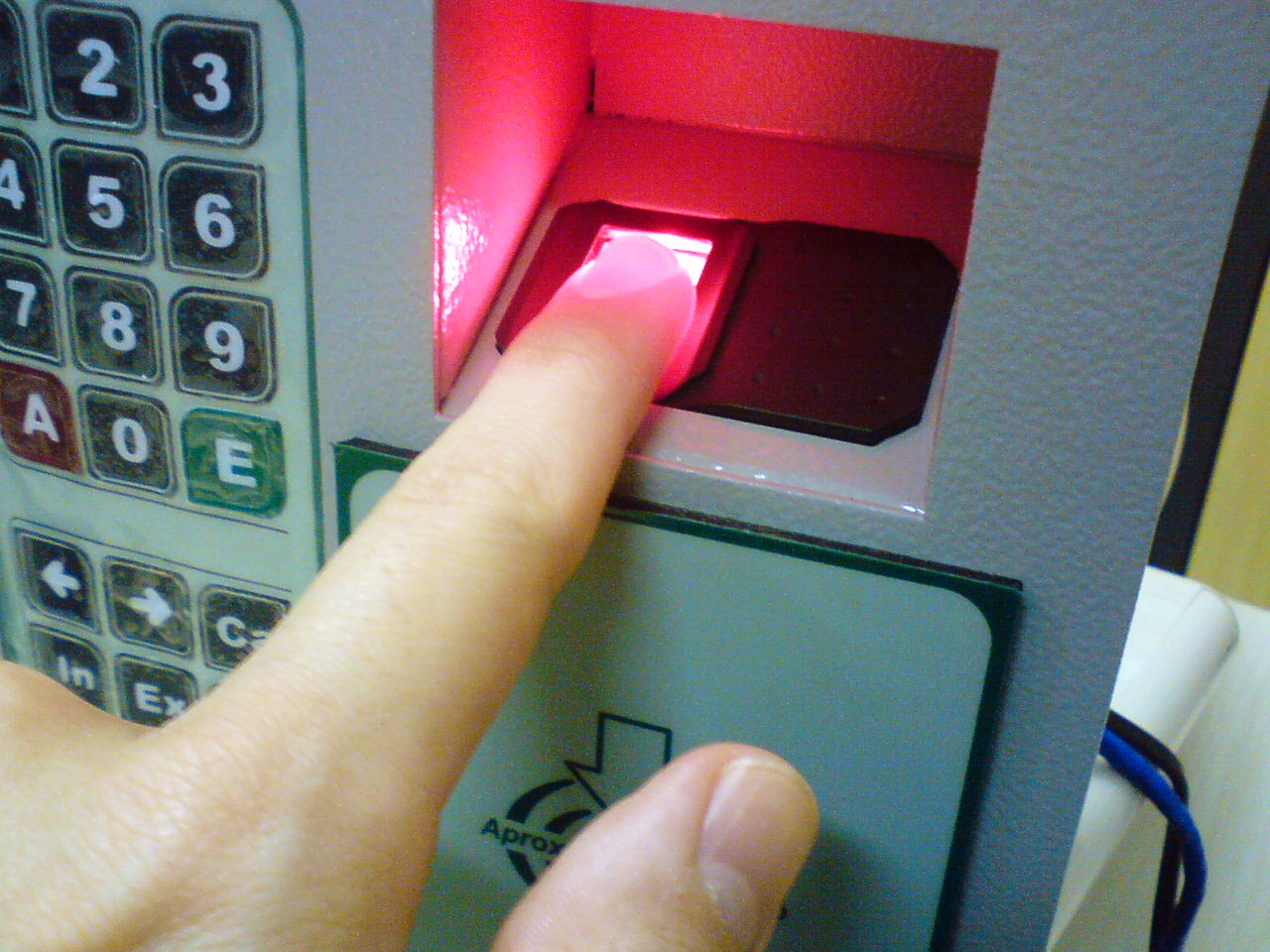
A passkey is a cryptographic key pair. The private key never leaves your device and is unlocked by your face, fingerprint or PIN; the public key sits with the service. Because the credential is bound to the real website’s domain, a phishing page cannot trick you into handing it over. There is simply nothing reusable to steal.
Sign-in becomes a single gesture, and syncing through your platform account means a new phone does not lock you out of your digital life.
Why businesses are moving too
Password resets devour support budgets, and credential stuffing drives a large share of account takeovers. Passkeys cut both. Enterprises that piloted them report fewer lockouts and faster sign-ins, which is why the technology now appears in procurement checklists far beyond the tech sector. We have tracked the shift across paperearn.net as it moved from conference talk to default setting.
What to do as a user
Enable passkeys wherever they are offered, keep your device recovery options current, and retain a strong unique password as a fallback during the transition. Within a few years, typing a password to a major service may feel as dated as dialling into the internet.
The standards underneath
Passkeys rest on public-key cryptography specified by the FIDO2 and WebAuthn standards, which means the same credential system works across phones, laptops and browsers from competing vendors. That interoperability, rare in consumer security, is why adoption compounded so quickly once the largest platforms committed. Recovery remains the part to watch: account recovery flows are where attackers probe next, and providers are hardening them with device-based checks.
The phishing maths changed
Credential phishing works because a password can be typed anywhere. A passkey cannot: the browser only releases it to the domain it was created for, and lookalike domains get nothing. Security teams describe this as removing the attack rather than training users to spot it, a meaningful distinction after decades of awareness campaigns with modest results.
There are edge cases to manage: shared devices, older hardware and cross-border travel all test recovery processes. Providers that handle those gracefully will define how trustworthy the system feels to the public.
The support-desk dividend
One underappreciated effect is showing up in help-desk statistics. Password resets, long the single largest category of consumer support contacts, fall sharply when passkeys take over an account base, and callers who do get locked out are more often victims of lost devices than forgotten secrets, a problem with clearer remedies. Providers reinvesting those savings into recovery hardening are closing the loop: the system’s weakest remaining point gets the budget its predecessor wasted.
The questions worth asking of any new technology
Four questions cut through most hype. What does it cost at scale, not in the demo? Who is liable when it fails? What does it demand of the infrastructure around it? And who has already renewed a contract, as opposed to signing a pilot? Applied consistently, these questions separate the announcements that describe the future from the ones that merely describe a funding round. They also explain why adoption so often looks slow right up until it looks sudden: the answers improve in the background, release by release, until the balance tips and the holdouts become the story.
Skills and institutions adapt, as they always do
Every platform shift rearranges expertise. New specialties appear, old ones gain a technological accent, and the premium moves to people who can translate between the technical system and the human one it serves. Institutions adapt the same way: slowly, then completely, rewriting procedures around capabilities they once treated as experiments. Watching that institutional layer, the training courses, the insurance forms, the procurement templates, is the most reliable way to know a technology has truly arrived, long after the launch events are forgotten.
Related reading: Torvalds, an AI Assistant and a Threefold Kernel Speed-Up

1 Comment
Pingback: Torvalds, an AI Assistant and a Threefold Kernel Speed-Up - Paper Earn