

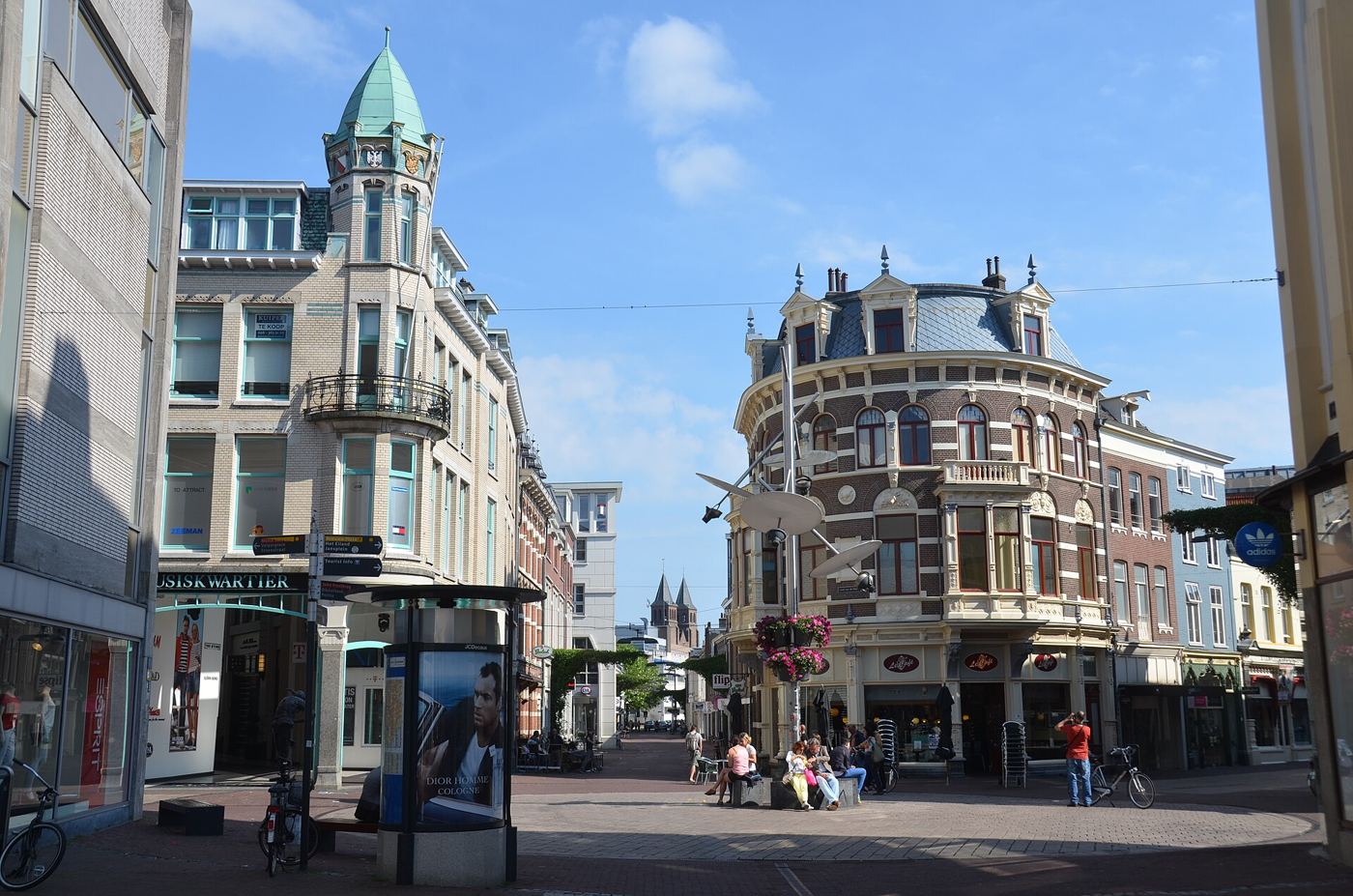
Retail streets in several towns are testing coordinated later opening one or two evenings a week, hoping to attract shoppers who cannot visit during standard working hours. Participating stores stay open into the early evening on the same nights, alongside cafes and restaurants, so the street feels active rather than leaving customers to find isolated shops open alone. Business groups organising the trials say the idea responds to changed working patterns, with many people commuting, working shifts or caring for family during the day. Early evenings were chosen deliberately to complement, rather than compete with, weekend shopping. Some retailers have linked the late nights to small events, such as product demonstrations, local music or seasonal tastings, giving residents an extra reason to come into town. Staffing is the main practical concern, and most stores are using voluntary rotas and shorter daytime shifts to cover the extra hours fairly. Councils have supported the tests with later parking enforcement relaxation and improved street lighting on the participating routes. Organisers plan to judge success on overall weekly sales and footfall, not simply on takings during the extra hours themselves, which may partly replace daytime visits.
What the Evidence Shows
Shopkeepers involved in the first trial evenings report a different kind of customer after six, often couples and groups browsing together in a more relaxed way than the lunchtime rush. Cafes say the scheme works best when shops genuinely stay open together, since a half lit street discourages visitors from making the trip. Some smaller stores have struggled with staffing and have joined for one evening a month instead, which organisers accept as better than not taking part at all. Retail analysts watching the experiments caution that later hours succeed where the wider offer is strong, including food, leisure and safe transport home, rather than shops alone. Bus companies have been asked to note the trial nights so last services do not leave before closing time. Residents living above shops have been consulted about noise, and events finish early enough to respect agreed limits. Business groups expect to publish results after the trial season, including which categories of store benefited most. If the figures hold up, several towns plan to make the evenings permanent fixtures in their annual trading calendar. Reporting and analysis from sources such as Reuters track the same developments, and specialists following retail street evening openings say the direction is now consistent across independent lines of evidence.
The Wider Context
The wider context is a public conversation conducted at a speed institutions were not built for. Developments around retail street evening openings are announced, contested and revised within a single news cycle, and the officials involved have learned to publish evidence alongside claims so that scrutiny can actually occur. Trust, the polling suggests, follows that transparency more than it follows confidence.
What Happens Next
What happens next in the story of retail street evening openings will be decided in the places where it is being implemented, measured and argued about in public. The officials and organisations involved have committed to publishing progress data, and that commitment gives residents, businesses and journalists something firmer than promises to judge. The next milestones are dated, which means they can be checked. You can follow related developments in our coverage of news.
There is a practical lesson in all of this for readers deciding what to do today. Start with the verified facts, be wary of anyone promising certainty, and prefer reversible steps while the evidence is still developing. Circumstances differ by country, income and personal situation, so general guidance should always be weighed against your own context before you act on it in any significant or lasting way.
