

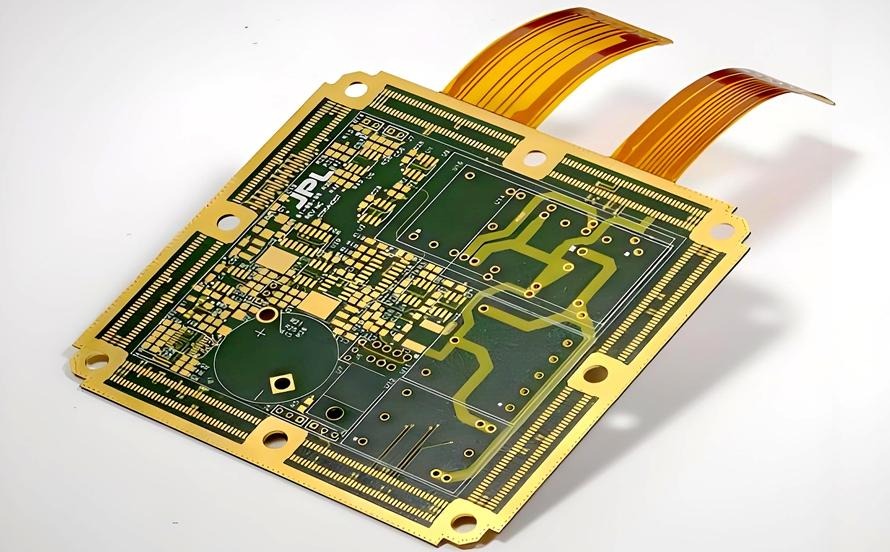
As electronic devices become smaller, lighter, and more complex, manufacturers are increasingly adopting advanced circuit board technologies to meet demanding design requirements. One of the most innovative solutions in modern electronics manufacturing is rigid flex PCB assembly. By combining the durability of rigid circuit boards with the adaptability of flexible circuits, rigid-flex technology offers significant advantages for space-constrained and high-reliability applications.
Today, rigid-flex PCBs are widely used in industries such as aerospace, medical devices, telecommunications, automotive electronics, and consumer products. Understanding the rigid flex PCB assembly process, benefits, applications, and design considerations can help engineers and manufacturers make informed decisions when developing advanced electronic systems.
What Is Rigid Flex PCB Assembly?
Rigid flex PCB assembly is the process of manufacturing and assembling a circuit board that combines rigid PCB sections with flexible circuit layers into a single integrated structure.
Unlike traditional PCBs that are entirely rigid or entirely flexible, rigid-flex boards provide both structural stability and flexibility. The rigid sections support electronic components, while the flexible portions allow the board to bend, fold, or fit into compact spaces without requiring additional connectors or wiring harnesses.
The assembly process includes PCB fabrication, component placement, soldering, inspection, and testing to ensure the finished board meets performance and reliability requirements.
How Rigid-Flex PCBs Are Constructed
Rigid-flex PCBs are manufactured using a combination of rigid substrate materials and flexible polyimide layers.
The rigid portions are typically made from FR-4 laminate, which provides mechanical strength and support for mounted components. The flexible sections use polyimide materials that allow repeated bending without damaging electrical connections.
These materials are laminated together during fabrication to create a unified circuit structure capable of supporting complex electronic designs.
Depending on application requirements, rigid-flex boards may contain multiple rigid sections connected by one or more flexible layers.
Why Rigid Flex PCB Assembly Is Important
Traditional electronic assemblies often require multiple separate PCBs connected through cables, connectors, or wiring harnesses. These additional components increase assembly complexity, weight, and potential failure points.
Rigid flex PCB assembly eliminates many of these challenges by integrating multiple functions into a single board structure.
The result is:
- Reduced system size
- Lower overall weight
- Improved reliability
- Simplified assembly
- Enhanced signal integrity
- Greater design flexibility
These advantages make rigid-flex technology particularly valuable in applications where space, weight, and reliability are critical.
The Rigid Flex PCB Assembly Process
The assembly of rigid-flex boards requires specialized manufacturing expertise and precise process control.
Design Review and Engineering Analysis
The process begins with reviewing design files, including Gerber data, stack-up information, bills of materials, and assembly drawings.
Engineers evaluate the design for manufacturability, bend radius requirements, component placement, and material compatibility. Proper design verification helps prevent production issues and improves assembly efficiency.
PCB Fabrication
Fabrication involves creating both rigid and flexible sections of the circuit board. The process includes imaging, etching, drilling, lamination, plating, solder mask application, and surface finishing.
Because rigid-flex structures are more complex than conventional PCBs, fabrication requires advanced equipment and strict process control.
Solder Paste Printing
Once the boards are fabricated, solder paste is applied to component pads using precision stencils.
Accurate solder paste deposition is essential for achieving reliable solder joints and preventing assembly defects.
Component Placement
Automated pick-and-place machines position components onto the rigid sections of the board.
Since flexible areas cannot provide the same mechanical support as rigid sections, components are typically mounted only on designated rigid regions.
Modern placement equipment ensures precise component alignment and consistent assembly quality.
Reflow Soldering
The assembled board passes through a reflow oven where controlled heating melts the solder paste and permanently bonds components to the PCB.
Temperature profiles must be carefully managed to avoid damaging flexible materials while ensuring proper solder joint formation.
Inspection and Testing
After assembly, comprehensive inspection and testing procedures verify quality and functionality.
Common quality control methods include:
- Automated Optical Inspection (AOI)
- X-ray Inspection
- Flying Probe Testing
- In-Circuit Testing
- Functional Testing
These inspections help identify defects and ensure long-term reliability.
Advantages of Rigid Flex PCB Assembly
Rigid-flex technology offers numerous benefits compared to traditional PCB configurations.
Space Savings
One of the biggest advantages of rigid flex PCB assembly is the ability to reduce overall product size.
By eliminating connectors and interconnecting cables, designers can create more compact electronic devices while maintaining functionality.
Improved Reliability
Connectors and wiring harnesses are common points of failure in electronic systems. Rigid-flex boards reduce the number of interconnections, improving reliability and durability.
Reduced Weight
The elimination of additional cables and connectors helps reduce system weight, which is particularly important in aerospace, medical, and portable electronic applications.
Better Signal Integrity
Integrated circuit paths reduce signal loss and electromagnetic interference, resulting in improved electrical performance.
Simplified Assembly
Combining multiple boards into a single structure reduces assembly complexity, lowers labor costs, and minimizes potential assembly errors.
Applications of Rigid Flex PCB Assembly
The unique advantages of rigid-flex technology make it suitable for a wide range of industries.
Medical Devices
Medical equipment often requires compact, lightweight, and highly reliable electronics.
Rigid-flex boards are commonly used in:
- Diagnostic equipment
- Imaging systems
- Wearable medical devices
- Surgical instruments
- Patient monitoring systems
Aerospace and Defense
Aerospace applications demand exceptional reliability while minimizing weight.
Rigid flex PCB assembly is widely used in:
- Avionics systems
- Satellite communications
- Navigation equipment
- Military electronics
- Flight control systems
Consumer Electronics
Modern consumer devices continue to become smaller and more sophisticated.
Rigid-flex boards support compact product designs for:
- Smartphones
- Tablets
- Cameras
- Wearable devices
- Virtual reality equipment
Automotive Electronics
Vehicles increasingly rely on advanced electronics for safety, communication, and automation.
Rigid-flex technology is used in:
- Driver assistance systems
- Sensors
- Control modules
- Infotainment systems
- Electric vehicle electronics
Industrial Equipment
Industrial automation systems require durable electronic assemblies capable of operating in challenging environments.
Rigid-flex PCBs help improve reliability while reducing system complexity.
Challenges in Rigid Flex PCB Assembly
Despite its many benefits, rigid flex PCB assembly presents several manufacturing challenges.
Design complexity is significantly higher than conventional PCB designs. Engineers must carefully manage bend areas, material transitions, and mechanical stress considerations.
Fabrication costs are also generally higher due to specialized materials and manufacturing processes.
Component placement restrictions require careful planning to avoid mounting components in flexible areas that experience repeated bending.
Additionally, testing and inspection procedures often require advanced equipment to verify board integrity and performance.
Working with experienced manufacturers helps overcome these challenges and ensures successful project execution.
Future Trends in Rigid Flex PCB Assembly
As electronic devices continue to evolve, demand for rigid-flex technology is expected to increase.
Emerging trends include:
- Higher-density interconnect designs
- Miniaturized electronic assemblies
- Flexible wearable technologies
- Advanced medical electronics
- Electric vehicle systems
- Internet of Things (IoT) devices
Manufacturers are also adopting automation, artificial intelligence, and advanced inspection systems to improve production efficiency and quality control.
These innovations are helping make rigid-flex technology more accessible and cost-effective for a broader range of applications.
Conclusion
Rigid flex PCB assembly has become a critical technology for modern electronic products that require compact designs, reduced weight, and exceptional reliability. By combining rigid and flexible circuit technologies into a single integrated structure, manufacturers can eliminate connectors, improve signal integrity, and simplify product assembly. From medical devices and aerospace systems to automotive electronics and consumer products, rigid-flex boards offer significant performance advantages. Partnering with an experienced rigid flex PCB assembly service ensures high-quality manufacturing, reliable performance, and successful implementation of even the most demanding electronic designs.
