

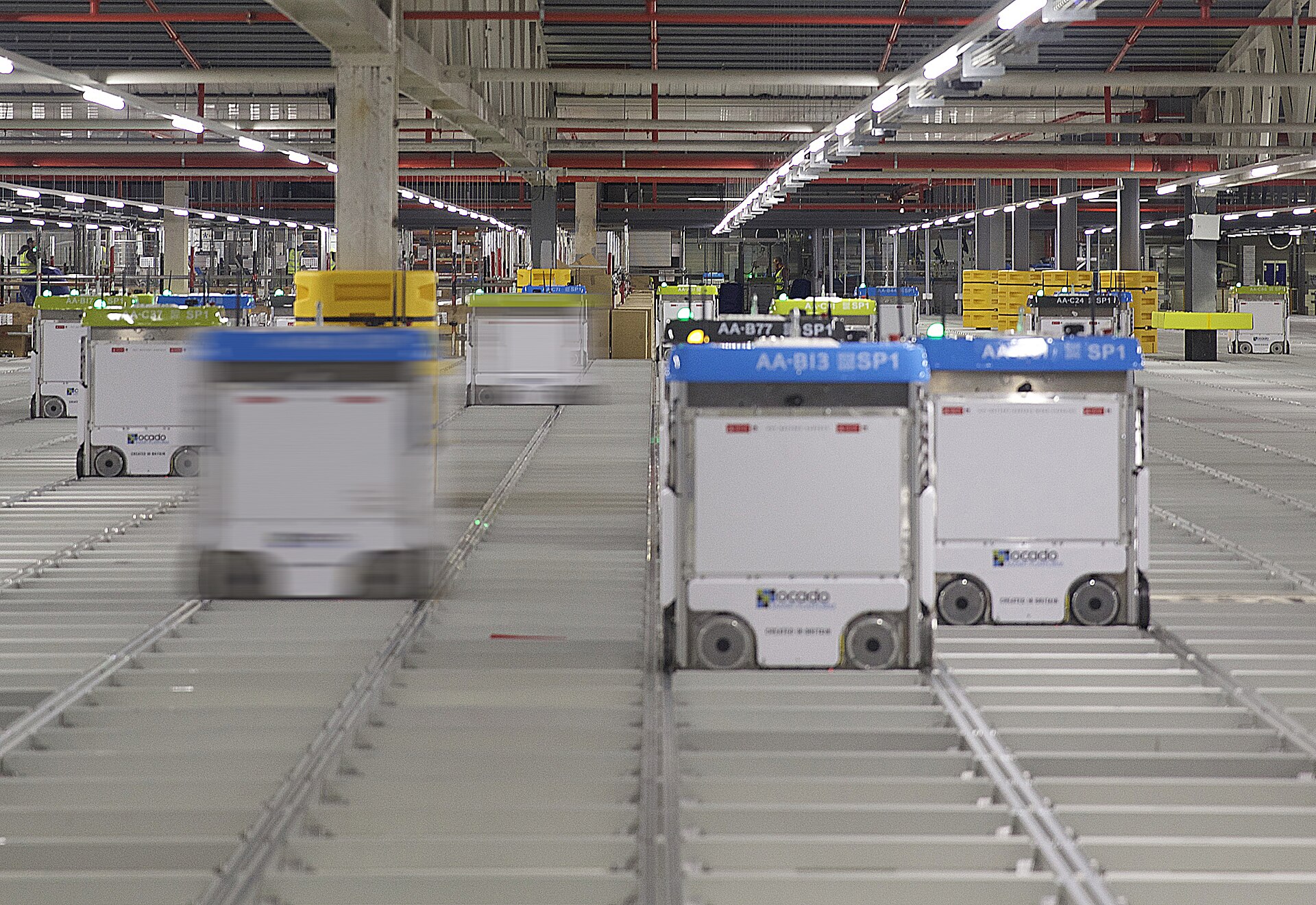
Step inside a modern fulfilment centre and the first surprise is how much of it moves. Fleets of low mobile robots glide shelves to stationary pickers; robotic arms with suction grippers lift parcels of every awkward shape; conveyor sorters read, weigh and route thousands of items an hour under the eye of computer vision. The warehouse — for a century a byword for manual labour — has become one of the most thoroughly automated workplaces on Earth.
The drivers are structural, not fashionable. E-commerce trained consumers to expect next-day delivery; labour markets in logistics hubs run chronically short; and the work itself, involving heavy lifting and kilometres of walking per shift, produces injury rates employers can no longer ignore. Our technology coverage has followed the shift from pilot robots in flagship sites to automation as the default design for any new large facility.
The Machines Taking Over the Miles
The largest change is invisible in the job statistics: distance. In a traditional warehouse, pickers spent more than half their shift walking between shelves. Goods-to-person robotics inverted that — the shelves travel, the human stays — multiplying picks per hour and removing the most punishing physical element of the job. Autonomous mobile robots have since spread to smaller sites, leased by the month and deployed without rebuilding the building.
Picking itself, long considered too dexterous for machines, is falling next. Arms combining vision models with adaptive grippers now handle the majority of typical e-commerce items, improving fastest exactly where humans struggle most: overnight shifts, cold stores and returns processing, where every item is different and the work is widely disliked.
What Happens to the Workers
The employment picture is more complicated than either the utopian or the dystopian script. Total warehousing employment rose for years alongside automation, because cheaper, faster logistics expanded the market itself — the same dynamic researchers at the OECD have documented across automating industries. Roles, however, are changing composition: fewer pure walking-and-lifting jobs, more robot technicians, flow controllers, quality checkers and exception handlers who deal with the items and situations machines escalate.
The sharper concerns are about intensity rather than headcount. Algorithmic management sets the pace in automated facilities, monitoring rates in real time; unions and regulators increasingly argue that productivity targets calibrated to robot-assisted workflows need transparency and limits, and that workers should share visibly in the gains their augmented labour produces.
The Economics Driving It
Falling robot prices and robotics-as-a-service pricing have removed the capital barrier that once protected manual operations. A mid-sized operator can now automate a packing hall for a monthly fee comparable to its wage bill for the same throughput, with the robots arriving in weeks rather than the years a bespoke system once took. That has shifted competition: the question for logistics firms is no longer whether to automate, but how fast, and how to retrain the workforce they still very much need.
The geography of the industry is shifting with the technology. Automated mega-sheds cluster near motorway junctions and ports, but a second wave of smaller, robot-dense urban fulfilment sites is pulling logistics jobs back into cities, close to the customers whose same-day expectations created them. Those sites run differently again: high throughput in small footprints, heavy reliance on vertical storage and robotic picking, and small teams of broadly skilled staff rather than large teams of narrowly tasked ones. For local economies, the trade-offs are real — fewer entry-level roles per parcel, but more durable, technical ones, and buildings that are far harder to offshore than the call-centre work automation displaced a generation ago. Planning systems and training pipelines are only beginning to catch up with that new map of logistics employment.
The Bottom Line
Warehouse robotics are best understood not as replacing a workplace but as rebuilding it around a different division of labour — machines for miles, weight and repetition; people for judgement, exceptions and care. Whether the new jobs are better jobs depends on choices employers and policymakers are making right now. It is a filtration problem of a social kind, not unlike the physical one examined in our report on microplastics in drinking water and the new filtration evidence.
