

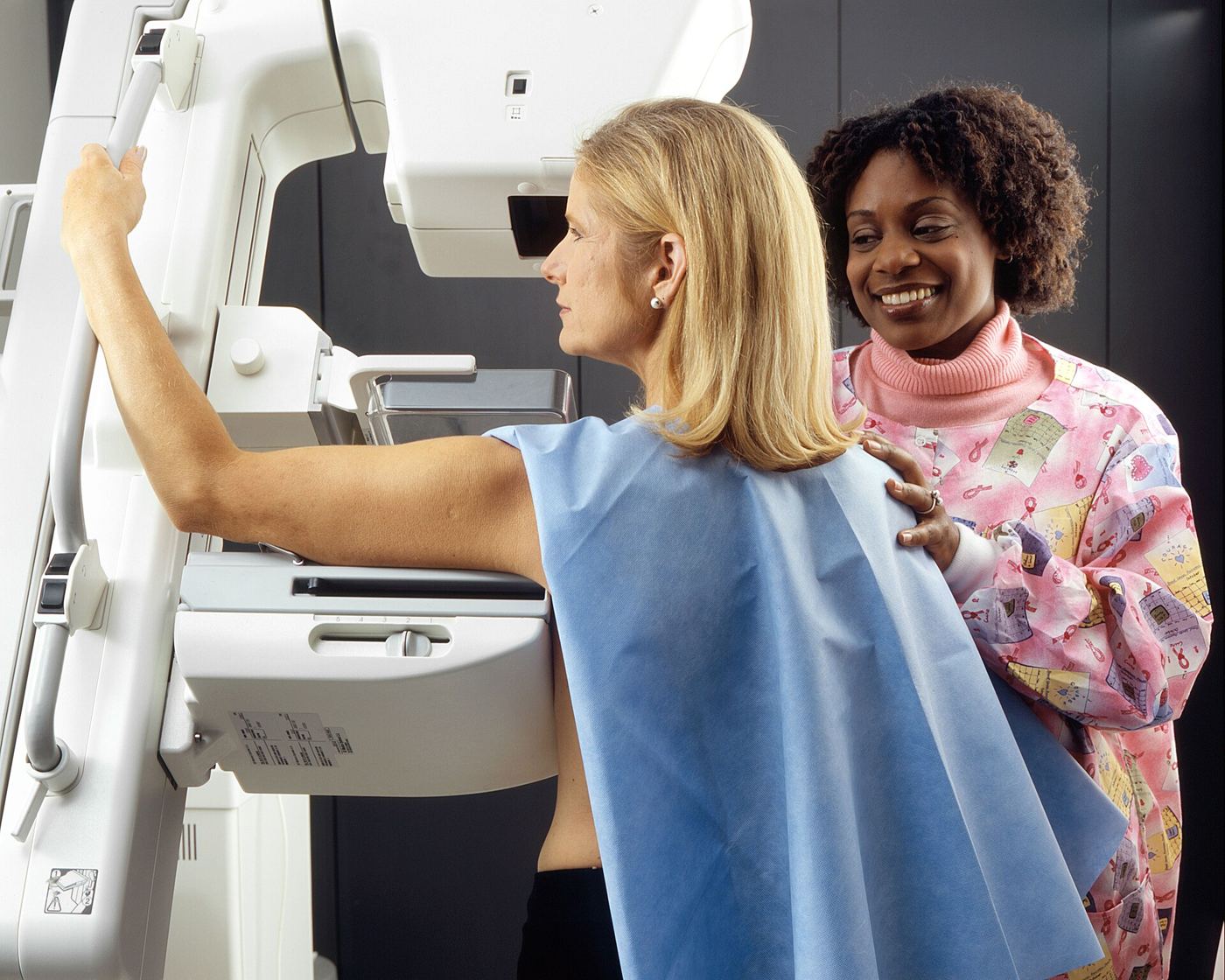
Artificial intelligence used to read mammograms has cut the number of cancers missed between screenings, according to the first randomised trial of its kind. The MASAI trial, published in The Lancet in January 2026, randomly assigned 105,934 women in Sweden to AI-supported mammography or standard double reading by radiologists. Over two years of follow-up, interval cancers, those found between scheduled screenings, fell by 12 percent in the AI group, from 1.76 to 1.55 per 1,000 women. There were 16 percent fewer invasive cancers, 21 percent fewer large cancers and 27 percent fewer aggressive cancers in the AI group, and 81 percent of cancers were caught at screening compared with 74 percent under standard reading. Cancer detection rose by 29 percent overall, while false positives stayed similar, at 1.5 percent in the AI group and 1.4 percent in the control group. Radiologists’ screen-reading workload fell by 44 percent. Lead author Dr Kristina Lång of Lund University said AI improves early detection of clinically relevant cancers.
What the Evidence Shows
Other trials point the same way. A Spanish trial published in Nature Medicine in March 2026, covering 31,301 women, found AI cut radiologist workload by 63.6 percent and raised cancer detection from 6.3 to 7.3 per 1,000 women. A study of Google’s mammography AI across five NHS screening services, published in Nature Cancer in March 2026, found the system was more sensitive than a first human reader and raised detection from 7.54 to 9.33 per 1,000 women, catching a quarter of interval cancers. But researchers urge caution: each trial used a single AI system, most covered only one screening round, and performance can shift when a system is used in a new population. Radiologists remain essential, and health services will need continuous monitoring to make sure the technology helps all groups of women equally. Reporting and analysis from sources such as The Lancet track the same developments, and specialists following AI-supported mammography screening say the direction is now consistent across independent lines of evidence.
The Wider Context
Equity runs through every discussion of AI-supported mammography screening. Interventions that require apps, fees or free weekday afternoons reliably reach the people who need them least, so the programmes earning praise are those designed around clinics, workplaces and community venues that already serve everyone. Evaluation reports now publish uptake by income and region as a matter of routine.
What Happens Next
The practical takeaway on AI-supported mammography screening is deliberately unglamorous: it works best as part of ordinary, well-delivered care rather than as a standalone fix. Health services are planning on that basis, building the referral routes and follow-up that turn a promising result into population benefit. The gains arrive slowly and then, in the statistics, unmistakably. You can follow related developments in our coverage of health.
It is also worth remembering how quickly the picture in this area has changed before. Positions that looked settled a few years ago have been revised as new data arrived, and the same humility is appropriate now. The strongest coverage of this subject, and the most useful advice, tends to come from sources that update their views openly when the facts move, rather than defending an earlier position long after it has stopped fitting the evidence available.
