
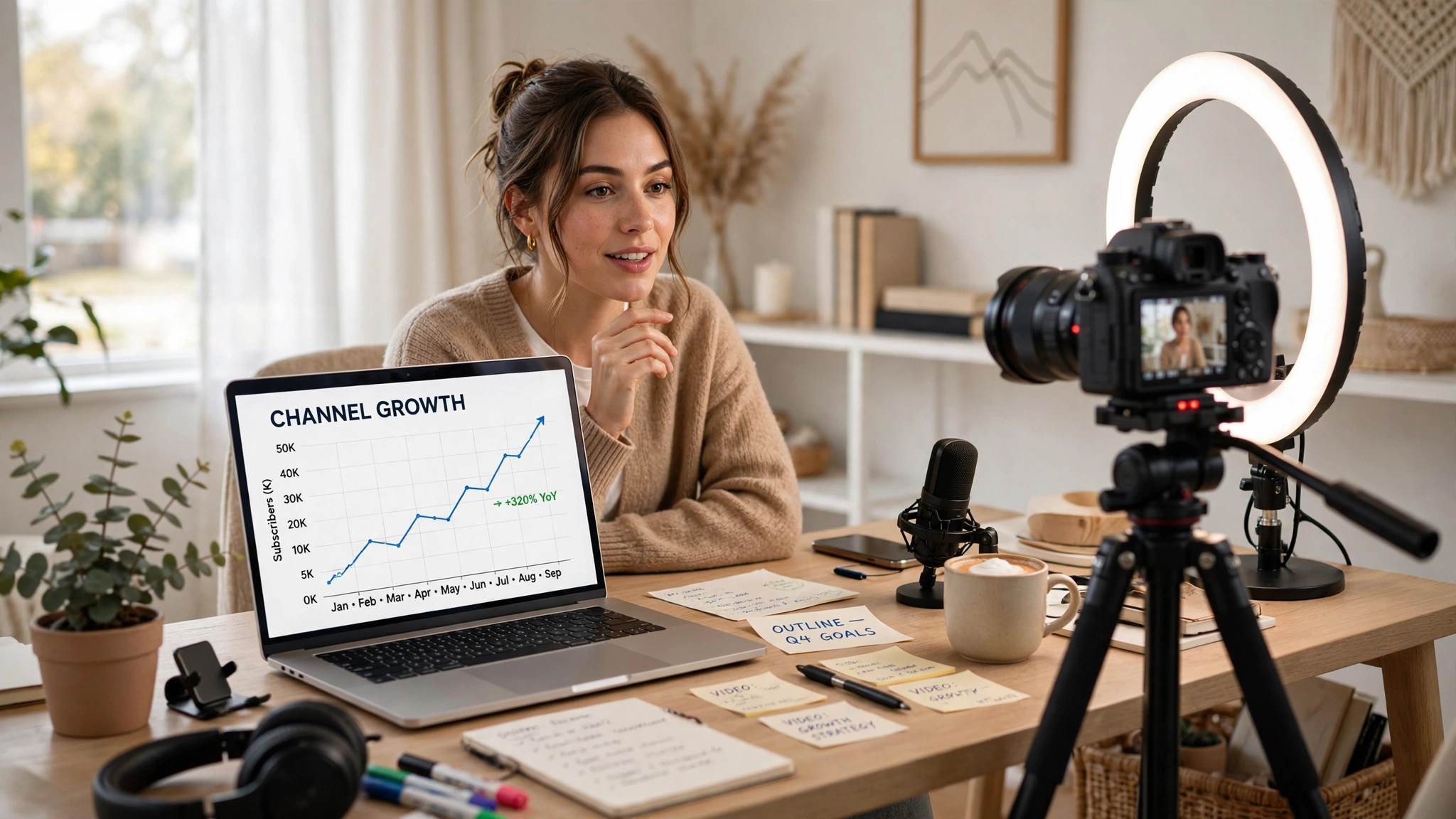
A decade ago, earning money from an audience meant landing a television contract, a book deal or a radio show. In 2026, the gatekeepers are gone. A driving instructor in Leeds films two-minute lessons between appointments. A retired electrician explains fuse boxes on YouTube. A home cook in Manila turns family recipes into a subscription community. None of them are celebrities, yet all of them are paid creators — and their numbers keep growing.
Analysts tracking the sector, including the World Economic Forum, describe a market that has matured from a curiosity into a genuine labour market. The interesting change is not the size of the biggest stars; it is the widening middle — thousands of ordinary people earning a meaningful second income, and a growing number earning their main one.
From Side Hustle to Main Income
The path rarely starts with going viral. Most successful mid-size creators describe the same pattern: a narrow topic, posted consistently, for far longer than felt reasonable. A channel about repairing vintage watches, a page about balcony gardening, a newsletter about local football — the subject matters less than the specificity. Narrow audiences trust more, and trust is what advertisers and subscribers actually buy.
Consistency also compounds. Platforms reward accounts that publish on a rhythm, and audiences build habits around them. As we covered in our guide on how education websites can build a trusted online presence, credibility is an asset that accumulates slowly and pays out for years.
Where the Money Actually Comes From
Brand deals and sponsorships
For most creators above a few thousand followers, sponsorship is the first serious income. Brands have shifted budgets away from traditional adverts toward people their customers already listen to. A single well-matched deal — a tool company sponsoring a carpenter, a language app backing a teacher — can outweigh months of platform advertising revenue.
Digital products and services
The second stream is selling knowledge directly: courses, templates, e-books, preset packs, coaching calls. Digital products cost almost nothing to deliver, so margins are high, and the audience is pre-sold because they already learned from the free content. Terminology from traditional business applies here — as Investopedia notes in its business explainers, the model is simply a very small, very lean media company.
Subscriptions and community
Memberships smooth out the feast-or-famine cycle. A few hundred loyal subscribers paying a small monthly fee can replace a salary, and community members churn far less than casual viewers. Many creators now treat free platforms purely as a shop window and the paid community as the actual business.
The Skills That Separate Earners From Posters
Watch the people who make it work and a pattern emerges. They treat content as a craft: hooks in the first seconds, clear structure, honest titles. They learn basic business skills — pricing, simple contracts, tax records. And they diversify early, because any single platform can change its algorithm overnight. Practical, step-by-step guidance matters more than theory; it is why detailed walkthroughs such as our complete registration guide format — clear steps, no fluff — consistently outperform vague advice.
What 2026 Is Changing
Two forces are reshaping the field this year. First, AI tools have collapsed the cost of production: editing, captions, translation and design that once needed a team now take an afternoon. That lowers the barrier for beginners but raises the bar for quality, because audiences can tell the difference between assisted and automated. Second, platforms are paying more for depth — watch time, saves and shares — than for raw follower counts, which favours experts over entertainers.
The opportunity, then, is real but not effortless. The creator economy in 2026 pays ordinary people who bring genuine knowledge, publish patiently and run their page like a business. The audience is already out there, searching for exactly what you know. The only remaining question is whether you start this month or next year.
