

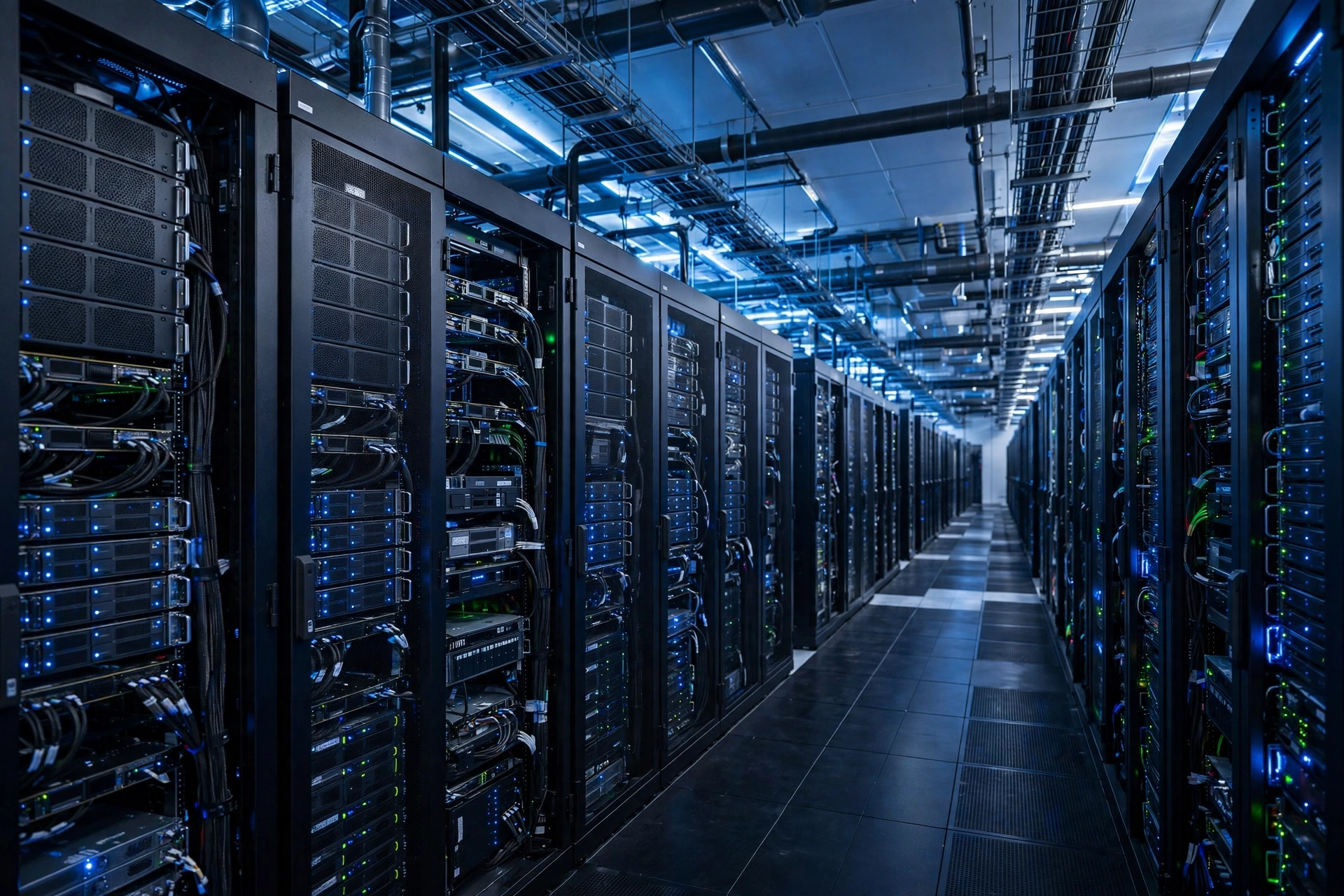
The artificial intelligence boom is being built, quite literally, out of concrete, steel, power lines and computer chips. Across the United States and around the world, technology companies are pouring unprecedented sums into the data centers that train and run AI models. Yet a growing chorus of analysts is asking an uncomfortable question: is the spending racing ahead of the money these facilities can realistically earn back?
Recent industry reporting, including analysis covered by The Register, suggests that forecast infrastructure spending is set to outstrip the revenue expected from AI services in the coming years. One widely shared estimate framed the gap in striking terms, calculating that paying for AI’s data centers on labor savings alone would take the equivalent of 250 million jobs, in a country with roughly 159 million workers. The point is not that AI lacks value, but that the arithmetic behind the building spree deserves far more scrutiny than it often receives.
Why the spending keeps accelerating
Part of the pressure is competitive. No major technology firm wants to be caught short of computing capacity if demand for AI assistants, coding tools, image generators and enterprise software keeps climbing. Capacity takes years to build, so companies are ordering it well ahead of proven demand. Energy companies, chipmakers and construction firms have all been pulled into the rush, and entire regional economies are now tied to data center projects.
There is also a genuine technological driver. Each new generation of AI models has demanded far more computing power than the last, and serving millions of simultaneous users is expensive even when individual queries cost only fractions of a cent. For readers following how digital work is changing, our look at how the creator economy is paying ordinary people in 2026 shows how quickly new income streams can grow around new platforms, and AI infrastructure investors are betting on a similar curve.
The revenue question
The concern is timing. Subscriptions for AI tools, advertising income and enterprise contracts are growing, but they are growing from a relatively small base compared with the hundreds of billions now committed to facilities, chips and electricity. Hardware also depreciates fast: servers bought at premium prices today may be outdated within a few years, long before a building loan is repaid.
Investors have seen this pattern before, from railway manias to the fiber-optic glut of the early internet era. In those cases the infrastructure eventually proved valuable, but many of the original investors still lost money because they paid too much, too early. The lesson is not that the technology fails; it is that being right about the technology and being right about the investment are two different things. Households weighing their own exposure through pensions and index funds may find our comparison of high-yield savings versus index funds a useful reminder of why diversification matters when any single theme dominates the market.
Power, jobs and local impact
Data centers also bring local tensions. They create construction work and some permanent technical jobs, but they employ far fewer people per dollar invested than a factory or hospital of similar cost. Their enormous electricity demand can strain grids and push up prices for nearby households, which is why several communities are now demanding stricter planning rules, water limits and community benefit agreements before approving new sites.
Governments, meanwhile, are torn. AI capacity is increasingly treated as a strategic asset, similar to energy or defense, so officials are reluctant to slow projects down. At the same time, regulators are being asked who pays if demand disappoints: shareholders, electricity customers, or taxpayers who supported a project with incentives.
What to watch next
Several signals will show whether the math is improving. Watch whether AI subscription and enterprise revenue grows faster than capital spending, whether older data centers stay full as new ones open, and whether companies start extending the assumed working life of their chips, a bookkeeping change that can flatter profits. Watch, too, for efficiency breakthroughs: models that need less computing power would be good for users and the climate, but could leave today’s most expensive facilities underused.
The most balanced reading is neither hype nor doom. AI is a real, useful technology that is already changing work, search, software and entertainment. But real technologies can still attract unrealistic spending. The winners of the next phase will likely be the companies that match building to genuine demand, secure power responsibly, and can show, in plain numbers, that the revenue is catching up with the remarkable cost of the machines behind the curtain.
