

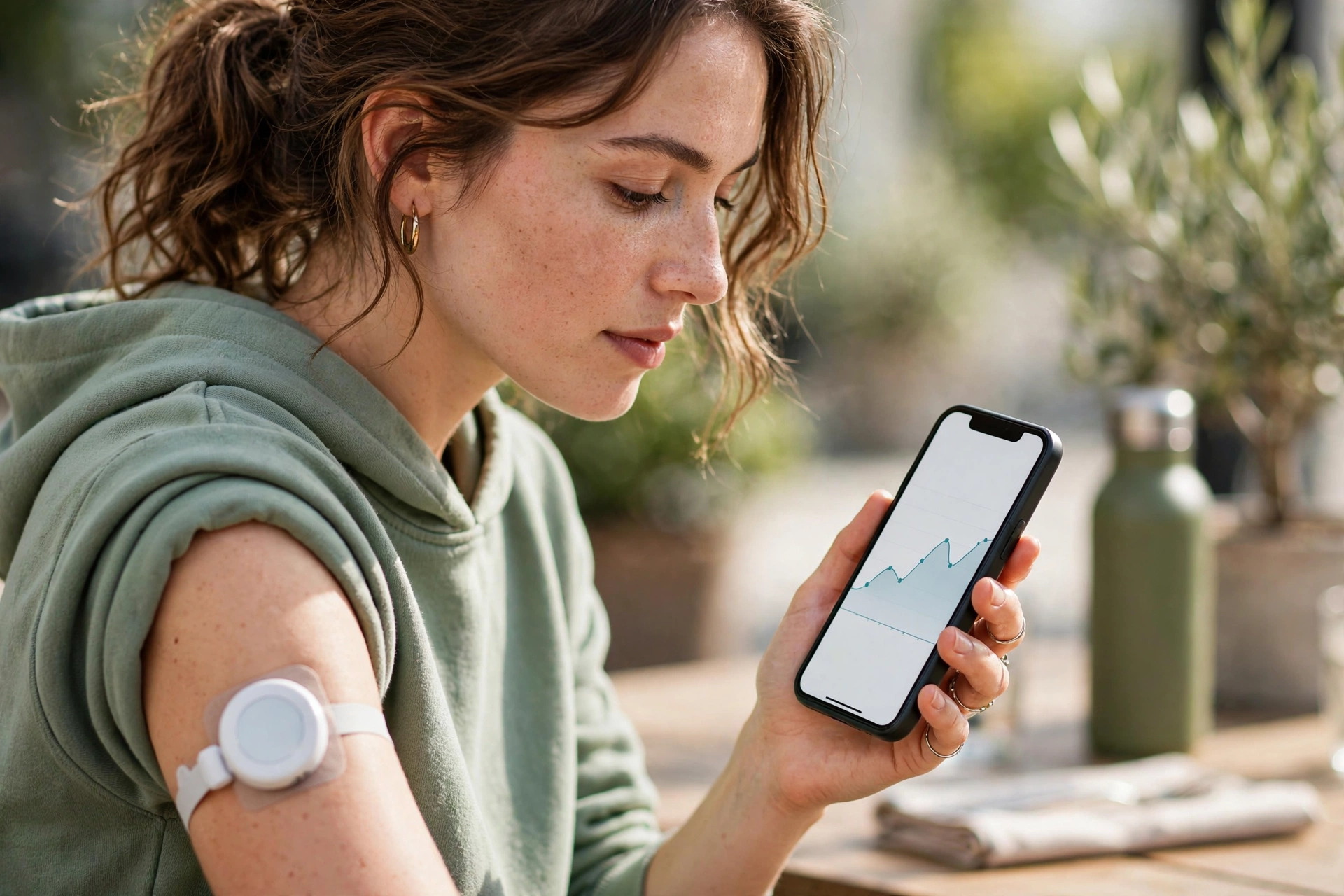
For many people living with type 2 diabetes, checking blood sugar has meant finger-prick tests, guesswork between readings, and long waits for a three-month average to reveal whether daily habits are working. A major new clinical trial suggests that wearable technology can do much better. Adults with type 2 diabetes who do not use insulin and who wore continuous glucose monitors spent about five more hours each day in their target blood sugar range, according to the largest trial of its kind, published in the New England Journal of Medicine.
The findings, reported by the University of Colorado Anschutz Medical Campus, matter because this group is often overlooked. Continuous glucose monitors, small sensors worn on the arm or abdomen that send readings to a phone every few minutes, have become standard for many people who inject insulin. Far less was known about whether they help the much larger group managing type 2 diabetes with lifestyle changes and oral medication alone.
What the trial found
Researchers found that participants using the monitors spent approximately five additional hours per day with blood sugar in the healthy target range compared with those not using the technology. That measure, known as time in range, is increasingly valued by clinicians because it captures the daily swings that a single average can hide. Two patients can share the same average while one spends the day on a roller coaster of highs and lows and the other stays steady.
Seeing a reading rise in real time after a meal, a sugary drink or a missed walk gives people immediate feedback that a test three months later simply cannot. Many users describe the effect as educational rather than medical: the sensor quietly shows which breakfast keeps them steady, how a short evening walk blunts a spike, and why sleep and stress change their numbers.
Why five hours matters
Time spent above target range is linked over years to the complications diabetes care tries hardest to prevent, including damage to eyes, kidneys, nerves and blood vessels. Five extra hours a day in range, sustained over months and years, could therefore translate into meaningful long-term protection, although longer studies will be needed to confirm the effect on hard outcomes such as heart attacks and hospital admissions.
There is also a daily quality-of-life benefit. Fewer unexplained highs and lows can mean steadier energy, better sleep and less anxiety about food. As with any health technology, though, the data belongs to the patient, and it is worth reviewing which apps can see it. Our guide to managing app permissions on Android is a sensible companion read for anyone connecting a medical sensor to a smartphone.
The cost and access problem
The biggest obstacle is not the technology but who gets it. Monitors and their disposable sensors carry ongoing costs, and insurance coverage for people who do not use insulin varies widely. Without coverage, many of the patients who might benefit most, including those on tight household budgets, are priced out. Our recent explainer on the 50/30/20 budget rule for rising costs underlines how health expenses compete with every other essential in a family budget.
Clinicians also caution that a monitor is a tool, not a treatment on its own. Readings need context, sensors can occasionally be inaccurate, and constant data can overwhelm or worry some patients. The trial’s results argue for supported use: a device paired with clear guidance on what the numbers mean and what to do about them.
What happens next
Evidence of this strength, from a trial described as the largest of its kind and published in one of the world’s leading medical journals, will strengthen the case for wider insurance coverage and for guidelines that recommend monitors beyond insulin users. Diabetes charities have long argued that access should follow need and evidence rather than the type of medication a person takes.
For patients, the practical takeaway is simple. If you have type 2 diabetes and do not use insulin, this research is worth discussing at your next appointment, especially if your current testing routine leaves long blind spots in your day. A wearable sensor will not replace healthy habits, medication or medical advice, but five more hours a day in a healthy range is a powerful sign that seeing your data clearly can help you change it.
