

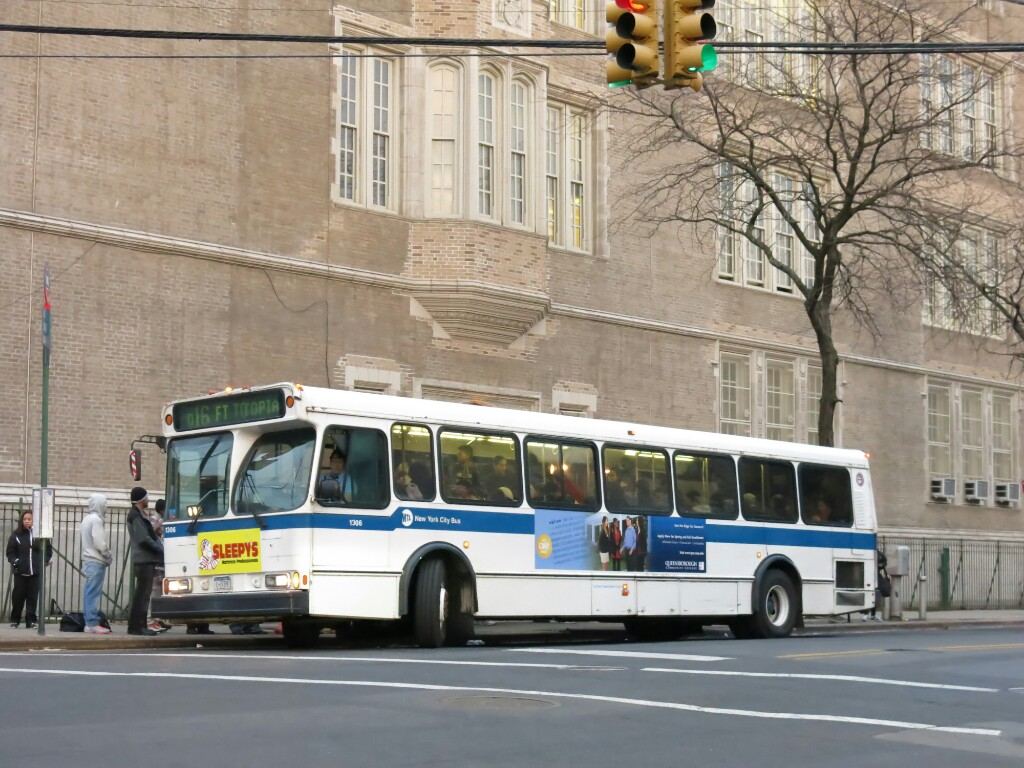
Cities are adding late-night bus routes to serve shift workers and commuters whose working hours fall outside the usual daytime timetable. Nurses, cleaners, warehouse staff and hospitality workers often finish long after the last regular bus has left, leaving them dependent on expensive taxis or long walks home. Transport planners say the new services respond to a changing economy, where more people work evenings, nights and early mornings than ever before. The routes typically run through the night on main corridors, with buses every half hour or hour, and are often coordinated with hospital shift patterns and major employers. Early results show steady demand, with some services carrying more passengers than expected, particularly on Friday and Saturday nights when leisure travel adds to the commuter flow. Supporters argue that reliable night transport is a matter of fairness, giving low-paid workers the same mobility as office staff who travel in daylight.
What the Evidence Shows
Making night buses work financially is a challenge, since passenger numbers are lower than during the day and operating costs are higher. Cities are tackling the problem in different ways: some subsidise the routes directly, others ask large employers to contribute, and a few use the income from daytime services to support the night network. Safety is another priority, with well-lit stops, onboard cameras and drivers trained to help passengers who feel vulnerable. Operators say the routes also reduce drink-driving and ease pressure on taxi services at closing time, benefits that extend beyond the passengers themselves. Some cities have gone further, introducing flat night fares or integrating the buses with tram and train services so that a single ticket covers the whole journey. As working patterns continue to shift, planners expect night buses to become a permanent part of urban transport rather than a temporary experiment. Reporting and analysis from sources such as Reuters track the same developments, and specialists following late-night bus services say the direction is now consistent across independent lines of evidence.
The Wider Context
The wider context is a public conversation conducted at a speed institutions were not built for. Developments around late-night bus services are announced, contested and revised within a single news cycle, and the officials involved have learned to publish evidence alongside claims so that scrutiny can actually occur. Trust, the polling suggests, follows that transparency more than it follows confidence.
What Happens Next
What happens next in the story of late-night bus services will be decided in the places where it is being implemented, measured and argued about in public. The officials and organisations involved have committed to publishing progress data, and that commitment gives residents, businesses and journalists something firmer than promises to judge. The next milestones are dated, which means they can be checked. You can follow related developments in our coverage of news.
There is a practical lesson in all of this for readers deciding what to do today. Start with the verified facts, be wary of anyone promising certainty, and prefer reversible steps while the evidence is still developing. Circumstances differ by country, income and personal situation, so general guidance should always be weighed against your own context before you act on it in any significant or lasting way.
