

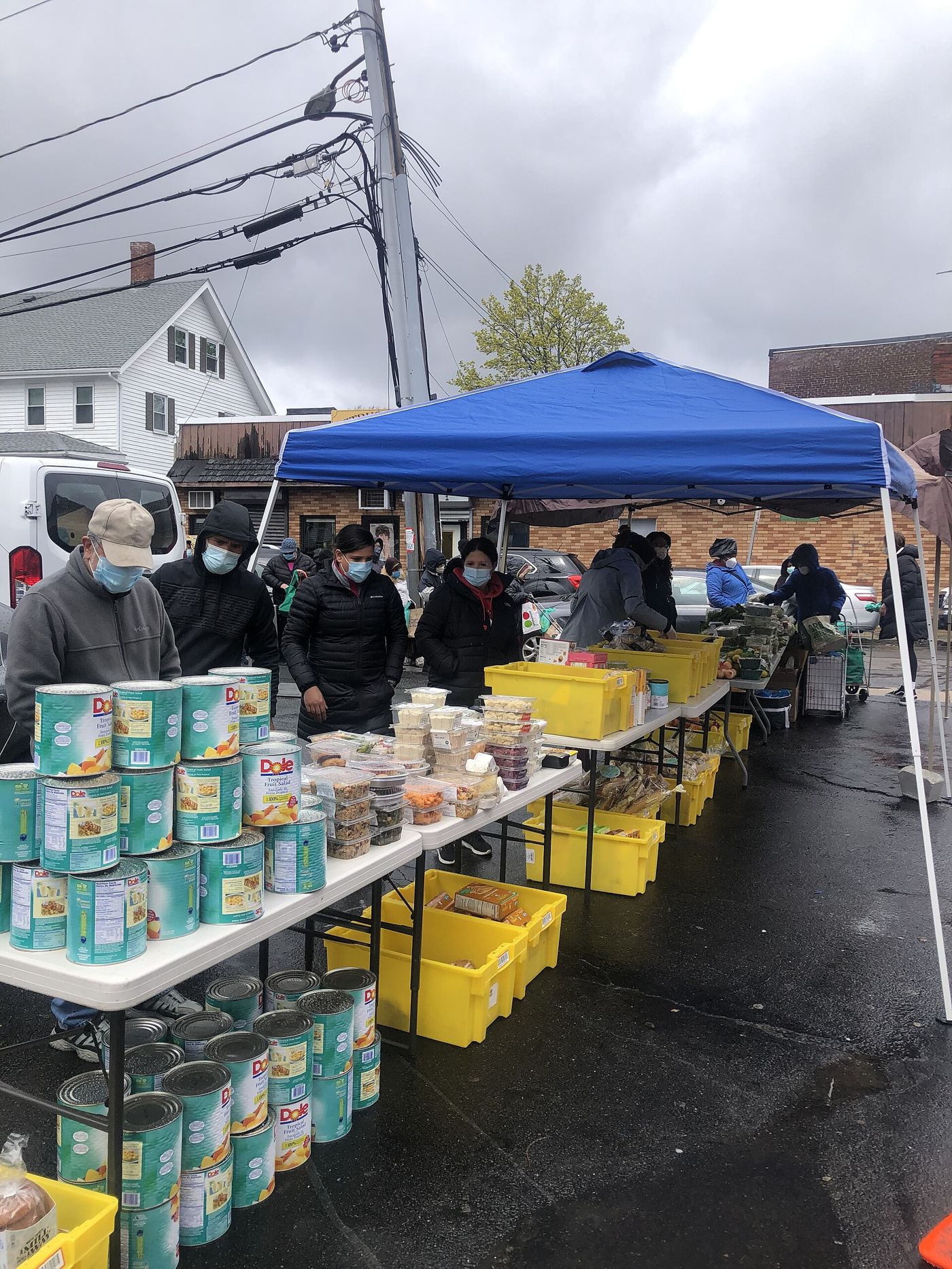
Community fridges are appearing in neighbourhoods across the country, giving residents a place to share surplus food that would otherwise go to waste. The idea is simple: a fridge stocked by local shops, cafes and households stands in a community centre or church hall, and anyone can take what they need or leave what they have to spare. Volunteers check the fridge daily, removing food past its date and keeping the shelves clean and tidy, while local businesses donate bread, fruit and vegetables at the end of each trading day. Organisers say the fridges help families stretch tight food budgets, particularly at the end of the month when money runs short, and they also cut the amount of edible food thrown away. The fridges are open to everyone, with no referral or proof of need required. Regular users say the fridge has become a familiar stop on the walk home, and that neighbours now share recipes and cooking tips alongside the food itself.
What the Evidence Shows
Food waste campaigners say the fridges tackle two problems at once, since much household food waste comes from items bought with good intentions and never used. Bread, fruit and vegetables are the foods most often shared, and the model works best when a rota of volunteers keeps the fridge stocked and safe. Health and safety rules are followed carefully, with temperature checks, clear labelling and a ban on opened or high-risk foods such as raw meat and dairy past its date. Councils have begun supporting the schemes with small grants and advice, and some provide the fridge itself or a suitable venue. Organisers say the next step is linking more fridges with supermarkets and growers, so surplus food travels a shorter distance from shelf to table. For neighbourhoods that adopt one, the fridge becomes more than a store of food: a meeting point where neighbours look out for each other. Reporting and analysis from sources such as Reuters track the same developments, and specialists following the community fridges say the direction is now consistent across independent lines of evidence.
The Wider Context
The wider context is a public conversation conducted at a speed institutions were not built for. Developments around the community fridges are announced, contested and revised within a single news cycle, and the officials involved have learned to publish evidence alongside claims so that scrutiny can actually occur. Trust, the polling suggests, follows that transparency more than it follows confidence.
What Happens Next
What happens next in the story of the community fridges will be decided in the places where it is being implemented, measured and argued about in public. The officials and organisations involved have committed to publishing progress data, and that commitment gives residents, businesses and journalists something firmer than promises to judge. The next milestones are dated, which means they can be checked. You can follow related developments in our coverage of news.
There is a practical lesson in all of this for readers deciding what to do today. Start with the verified facts, be wary of anyone promising certainty, and prefer reversible steps while the evidence is still developing. Circumstances differ by country, income and personal situation, so general guidance should always be weighed against your own context before you act on it in any significant or lasting way.
